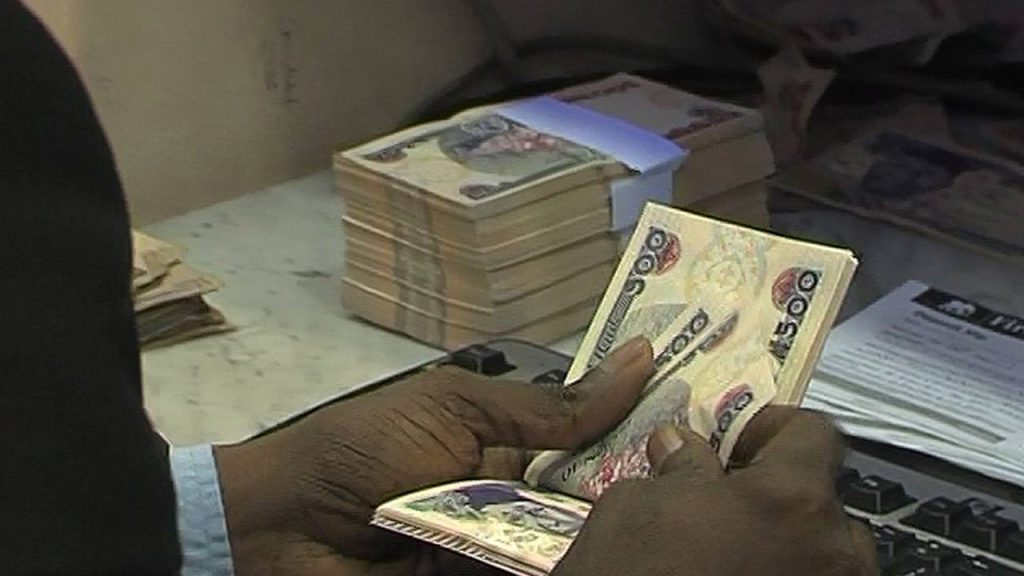
The naira's recent decline in the official foreign exchange market is perplexing, particularly against the backdrop of a remarkable 249.16% surge in liquidity at the Nigeria Foreign Exchange Market (NFEM). This liquidity boost, intended to stabilize the currency, has not translated into a stronger naira, highlighting deep-rooted challenges within Nigeria's economic framework.
Despite the influx of funds, the naira continues to struggle, reflecting ongoing concerns about inflation, policy inconsistencies, and the overall economic climate. Stakeholders are increasingly worried that without structural reforms, such as enhancing productivity and increasing foreign direct investment, the naira's volatility will persist. "While liquidity is essential, it is not a panacea. We must address the underlying issues affecting investor confidence," stated Dr. Ngozi Okonjo-Iweala, former finance minister and development economist.
Looking ahead, without decisive actions to tackle the economic fundamentals, the naira's position may remain precarious. Policymakers must prioritize sustainable economic reforms to restore confidence and stabilize the currency, or risk further losses in the foreseen future.