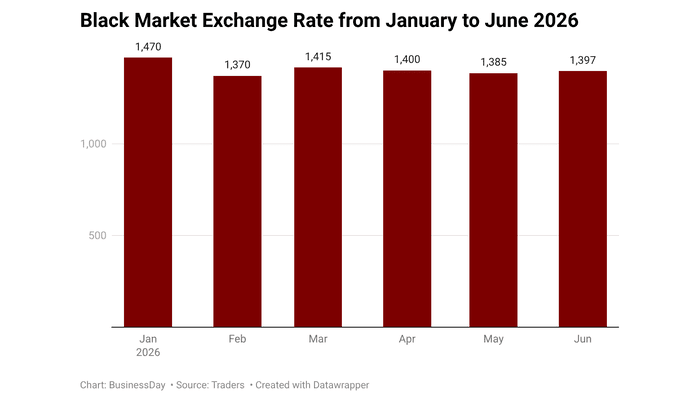
As Nigeria's economy grapples with persistent foreign exchange challenges, the naira is facing renewed pressure from soaring demand for dollars linked to summer travel and school fees. The black market rate has deteriorated to N1,425 per dollar, reflecting growing concerns among citizens seeking to secure funds for education and vacation expenses abroad.
This surge in dollar demand highlights a broader economic issue, as the naira continues to struggle against both official and parallel market rates. The Central Bank of Nigeria's efforts to stabilize the currency have yet to yield lasting results, leaving many to turn to the black market for their foreign exchange needs. "The increasing pressure on the naira is a reflection of our economic realities, and without significant reforms, the situation is unlikely to improve," said Dr. Ngozi Okonjo-Iweala, former finance minister and current head of the World Trade Organization.
Looking ahead, the naira's vulnerability could deepen if the government fails to implement measures to boost foreign reserves and curb speculative trading. Without decisive action, the currency may continue to weaken, straining both consumer purchasing power and the broader economy.