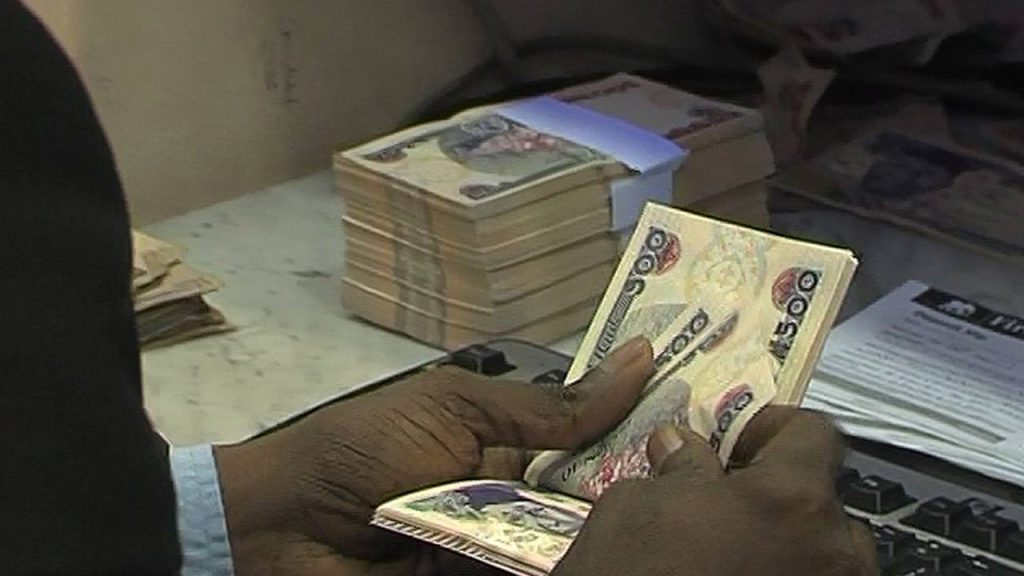
The Nigerian Naira has continued its downward spiral, hitting N1,385 per dollar in the parallel market as of June 25, 2026. This decline from N1,380 just a day earlier underscores the ongoing volatility in Nigeria's currency, exacerbated by persistent inflation and inadequate foreign reserves. The depreciation reflects broader economic challenges, including dwindling investor confidence and high demand for foreign currency.
Stakeholders are increasingly concerned about the implications of this trend. "Our economy cannot afford this kind of instability; it undermines the purchasing power of ordinary Nigerians," stated Muna Okafor, an economist and financial analyst. The Naira's instability is likely to exacerbate inflationary pressures, making essential goods more expensive and increasing the cost of living for millions.
As the government grapples with these economic challenges, the outlook remains uncertain. Policymakers must find a way to stabilize the currency and restore confidence in the financial system. Without decisive action, the Naira may continue to weaken, posing significant risks to Nigeria's economic recovery and overall growth prospects in the near future.

