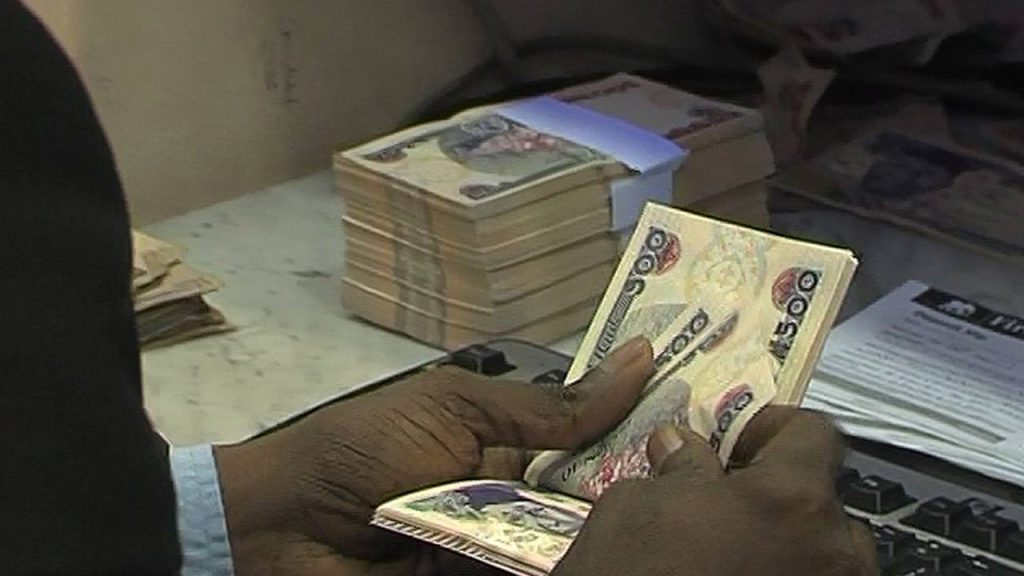
The Nigerian naira experienced a slight depreciation in the official foreign exchange market on Monday, reflecting ongoing challenges in FX liquidity, which has plummeted by 55.23%. This decline signals deeper economic issues as the country grapples with fluctuating oil prices and reduced foreign investment, both critical to its foreign exchange reserves.
The Central Bank of Nigeria has been under pressure to stabilize the naira amid rising inflation and a growing trade deficit. Recent measures to curb speculative trading have yet to yield significant results, with stakeholders expressing concerns over the currency's stability. "We need immediate and effective strategies to boost FX liquidity," stated Dr. Ngozi Okonjo-Iweala, a prominent economist and advisor. Her remarks underline the urgency for policy reforms in the foreign exchange sector.
Looking ahead, the naira’s trajectory will heavily depend on the government’s ability to enhance FX liquidity and restore investor confidence. Without decisive action, the currency may face further depreciation, impacting both consumers and businesses across Nigeria. Stakeholders will be watching closely for any policy adjustments that could stabilize the economy in the coming months.