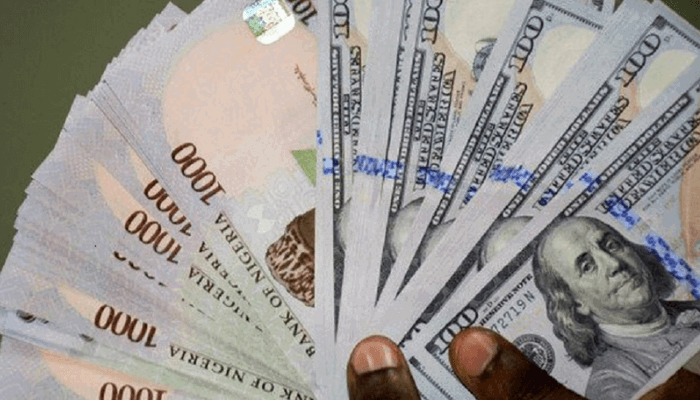
The Nigerian naira has continued its downward spiral, now trading at N1,397 per dollar in the parallel market as of June 5, 2026, marking a decline from N1,390 the previous day. This depreciation reflects ongoing economic challenges, including rising inflation and dwindling foreign exchange reserves. With the official exchange rate remaining significantly lower, the disparity is prompting increased reliance on the parallel market, exacerbating the naira's instability.
Analysts point to a lack of effective monetary policy and the need for structural reforms. "The continued depreciation of the naira indicates a pressing need for the Central Bank to implement measures that will stabilize the currency and restore investor confidence," said Dr. Amina Bello, an economist at the University of Lagos.
As Nigeria grapples with these economic pressures, the implications for businesses and consumers are dire. The high cost of imports is likely to fuel inflation further, impacting everyday life for Nigerians. Looking ahead, stakeholders will be watching closely for any signs of intervention from the Central Bank that could stem the naira's decline and stabilize the economy.