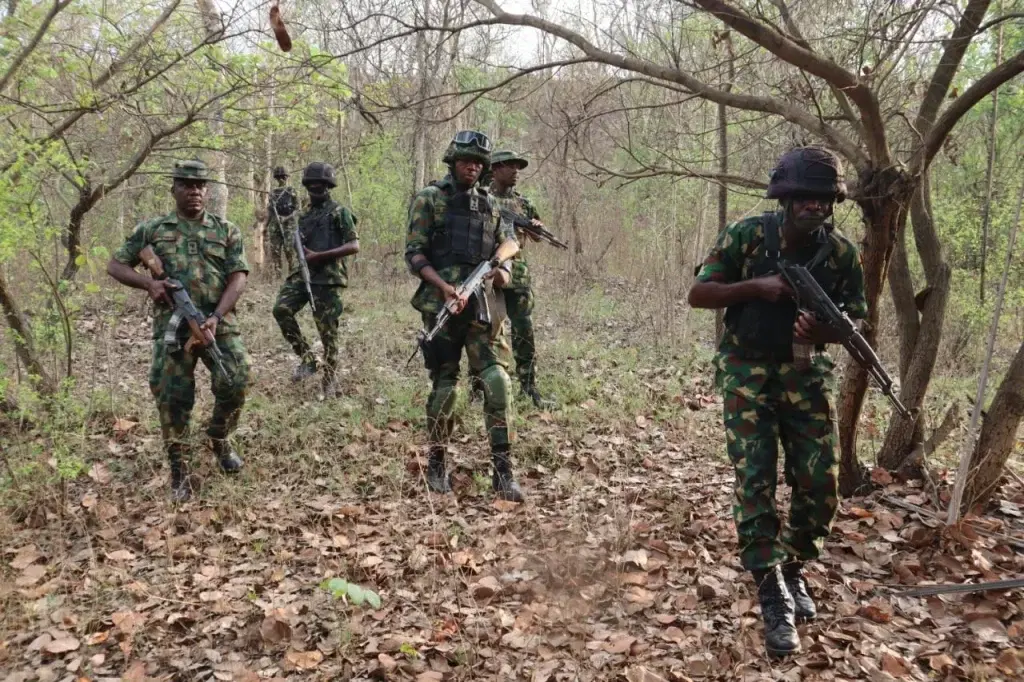
The recent airstrikes by the Nigerian Air Force (NAF) in Sambisa Forest mark a significant escalation in the ongoing fight against terrorism in Borno State. This operation targeted key hideouts believed to house members of Boko Haram and ISWAP, resulting in the destruction of critical infrastructure and the neutralization of several fighters. Such actions reflect Nigeria's commitment to intensifying military efforts against persistent insurgencies that have plagued the region for over a decade.
The airstrikes come amidst a backdrop of increasing violence and instability in northeastern Nigeria, where civilian casualties have been high. According to Major General Christopher Musa, the Theatre Commander of Operation Hadin Kai, "Our forces are determined to dismantle the operational capabilities of these terrorist groups, ensuring the safety and security of our citizens." This determination highlights the military's focus on proactive measures to disrupt terrorist activities.
Looking ahead, while these airstrikes may provide temporary tactical advantages, the government must also address underlying issues such as poverty, unemployment, and regional grievances that fuel extremism. A comprehensive approach combining military action with socio-economic development is vital for achieving long-term stability in the region.