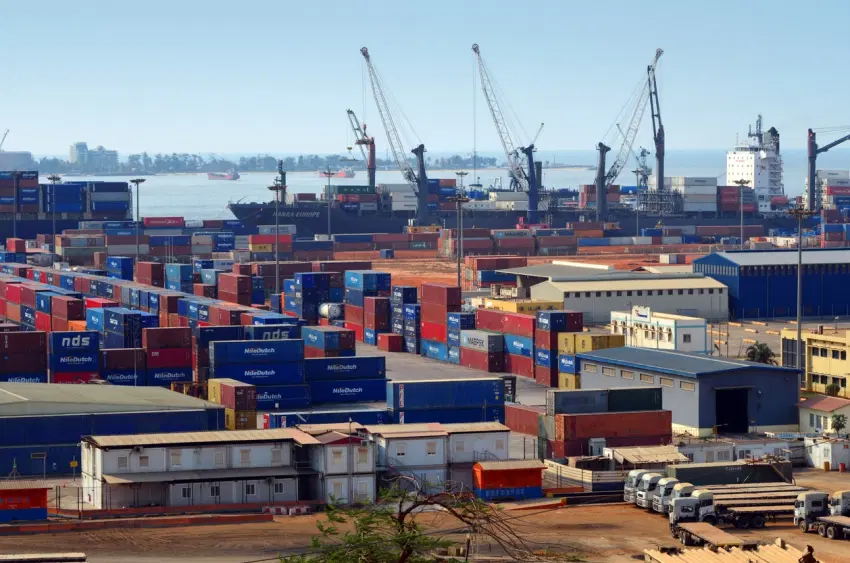
The escalating costs of cargo clearance at Nigerian ports have drawn sharp criticism from the Importers Association of Nigeria (IMAN), highlighting a significant economic burden on importers. As reported, clearing a container in Cotonou costs between N7 million and N8 million, while the same process in Apapa reaches a staggering N15 million. This disparity underscores the inefficiencies plaguing Nigeria's port operations, which remain a crucial revenue stream for the government.
IMAN's President, Dr. Sani Aliyu, stated, "The high clearance costs in Nigerian ports threaten our competitiveness and could drive importers to seek alternatives in neighboring countries." This trend not only risks diminishing government revenue but also jeopardizes local businesses reliant on imported goods.
As Nigeria grapples with these challenges, the implications are clear: a reform of port operations is essential to enhance efficiency and reduce costs. With importers being pivotal to the economy, a streamlined process could bolster local businesses and invigorate trade, allowing Nigeria to reclaim its competitive edge in the global market. Addressing these concerns could pave the way for a more resilient economic future.