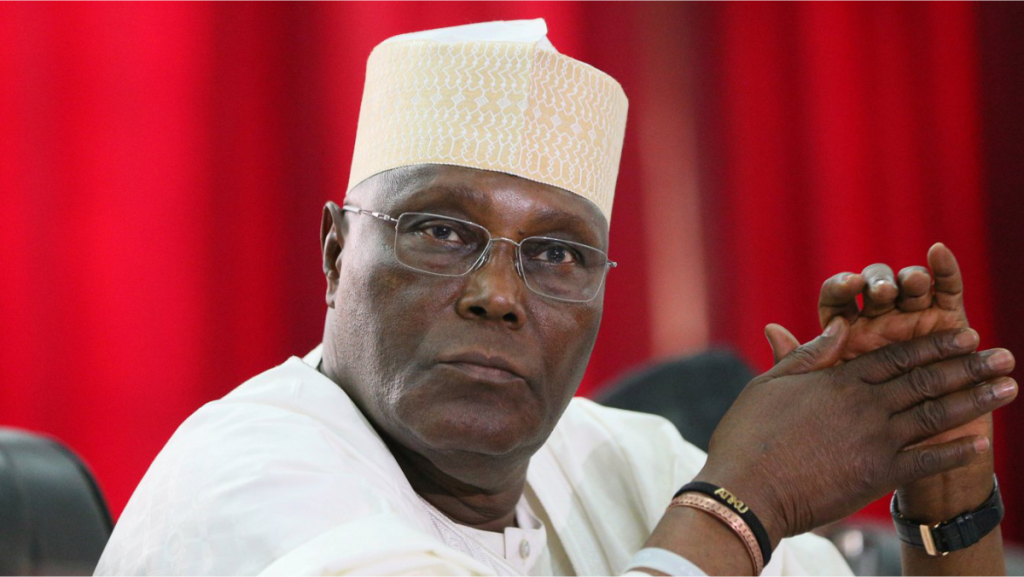
The dramatic increase of Nigeria's service-wide vote from ₦638.34 billion in 2024 to over ₦12.8 trillion in 2026 has ignited significant controversy, with former Vice President Atiku Abubakar calling it a sign of the ruling APC's guilty conscience. This staggering rise, amounting to an increase of approximately 1,918 percent, raises questions about transparency and accountability in government spending. Critics argue that such a leap is unwarranted for any emergency expenditures, pointing to a lack of clarity on the rationale behind this financial decision.
Atiku stated, “What emergency or unforeseen expenditure justifies this increase?” His remarks reflect growing concerns among opposition leaders about fiscal responsibility and the potential misuse of public funds. The APC's defense, citing the need for contingency funds, seems to have done little to assuage fears of mismanagement and political maneuvering ahead of upcoming elections.
As Nigeria approaches the 2027 general elections, this financial controversy could reshape voter sentiment. The electorate's demand for accountability may intensify, compelling the APC to justify its financial decisions as scrutiny of governance and fiscal policies heightens.
