Nigeria's private sector is currently facing unprecedented challenges, with many businesses struggling to stay afloat amid soaring energy costs and dwindling consumer demand. Recent reports indicate that inflation continues to drive up operational expenses, while foreign exchange constraints further complicate the procurement of essential materials. These factors have pushed many enterprises into a survival mode, where growth and innovation have taken a backseat.
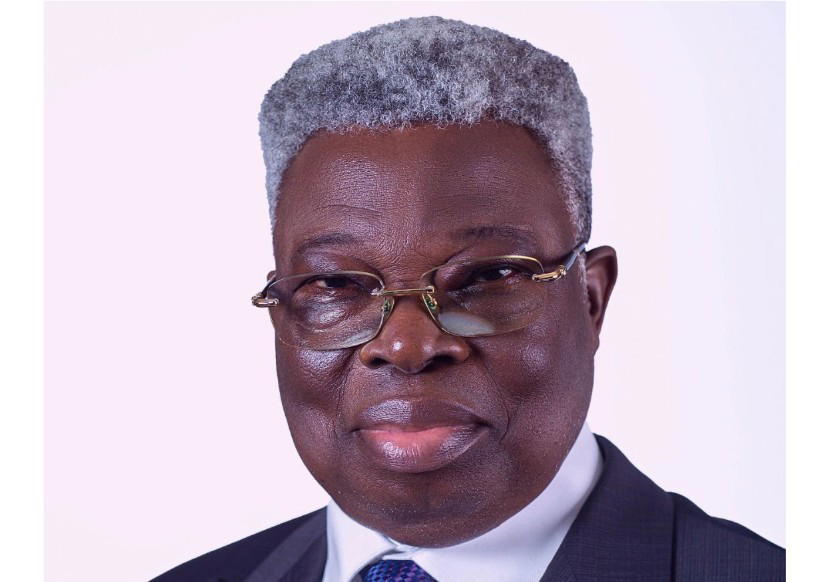
According to Makanjuola Adesola, Executive Director of the Nigeria Economic Summit Group, "The current economic climate is forcing businesses to prioritize immediate survival over long-term growth strategies." This sentiment reflects a broader concern among stakeholders who argue that without significant policy intervention and support, many companies may not withstand the ongoing pressures.
As Nigeria grapples with these economic headwinds, the need for strategic reforms becomes paramount. Policymakers must address systemic issues such as energy reliability and access to credit if they hope to stabilize the economy and foster a conducive environment for business growth. In the coming months, the focus will likely shift to how effectively the government can respond to these pressing challenges and reinvigorate a struggling private sector.