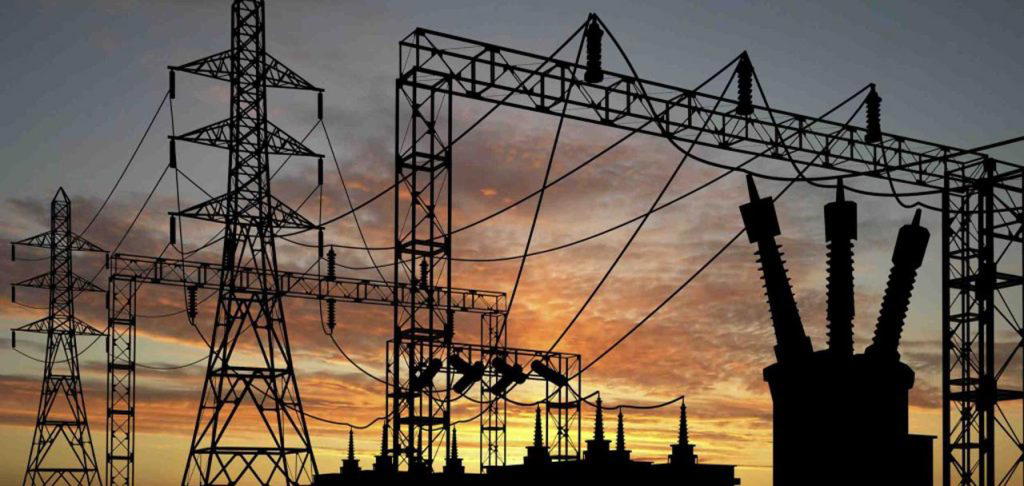
Electricity consumers in Nigeria face renewed challenges as power generation plummeted to 3,527.76 megawatts on May 29, 2026, marking a significant drop of nearly 20 percent from the previous day. This decline exacerbates an already dire situation, as businesses and households struggle with unreliable electricity supply, undermining economic productivity and daily life.
The recent figures highlight a troubling trend in the power sector, which has long been plagued by inadequate infrastructure, funding issues, and regulatory challenges. Stakeholders fear that this decline could hinder efforts to stabilize the grid and restore public confidence. "Without urgent intervention and investment, we risk a prolonged crisis that could stall economic recovery," warned Ibrahim Adamu, director of the Nigeria Electricity Regulatory Commission.
As Nigeria navigates these persistent energy woes, the government and private sector must prioritize reforms and enhance generation capacity. The upcoming months will be critical in determining whether strategic initiatives can reverse this downward trend, offering hope for a more stable and reliable electricity supply for millions of Nigerians.
