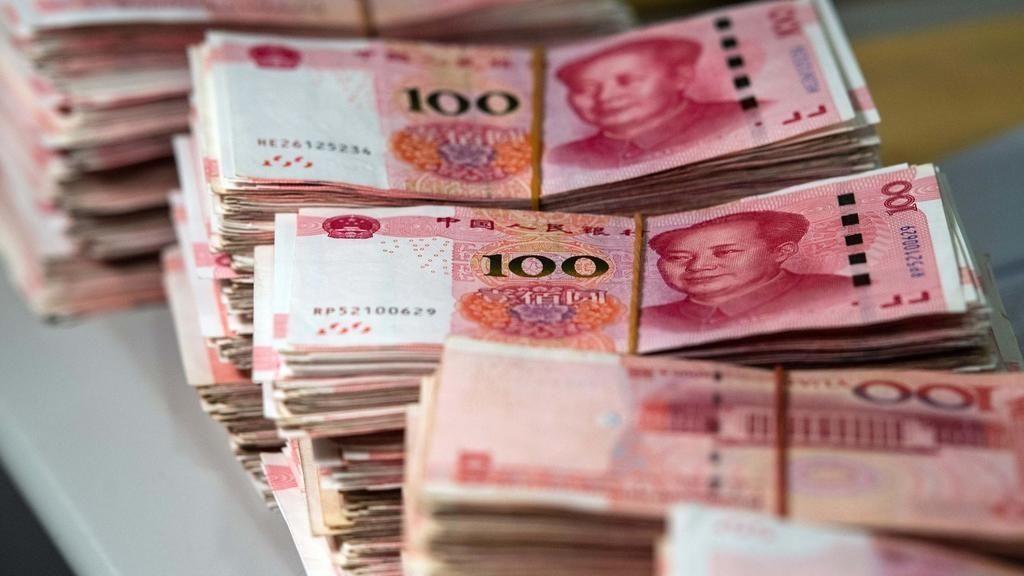
As the global economic landscape shifts, more African nations are increasingly adopting China's yuan in response to the declining dominance of the US dollar. This trend is evident in various sectors, including trade, debt servicing, and foreign exchange reserves, as countries seek greater financial sovereignty and resilience against external shocks.
Recent agreements between African nations and China have facilitated yuan transactions, reflecting a broader strategy to diversify currencies used in international trade. According to Dr. Amina Mohammed, Deputy Secretary-General of the United Nations, "This transition to the yuan represents a pivotal moment for African economies, allowing them to engage more independently on the global stage."
The growing acceptance of the yuan signals a significant reconfiguration of financial relationships, with implications for investment flows and geopolitical dynamics. While the dollar remains a strong currency, the increasing reliance on the yuan may encourage other emerging economies to explore similar pathways. As African nations continue to strengthen their ties with China, the long-term impact on global trade patterns and currency stability will be crucial to monitor in the coming years.