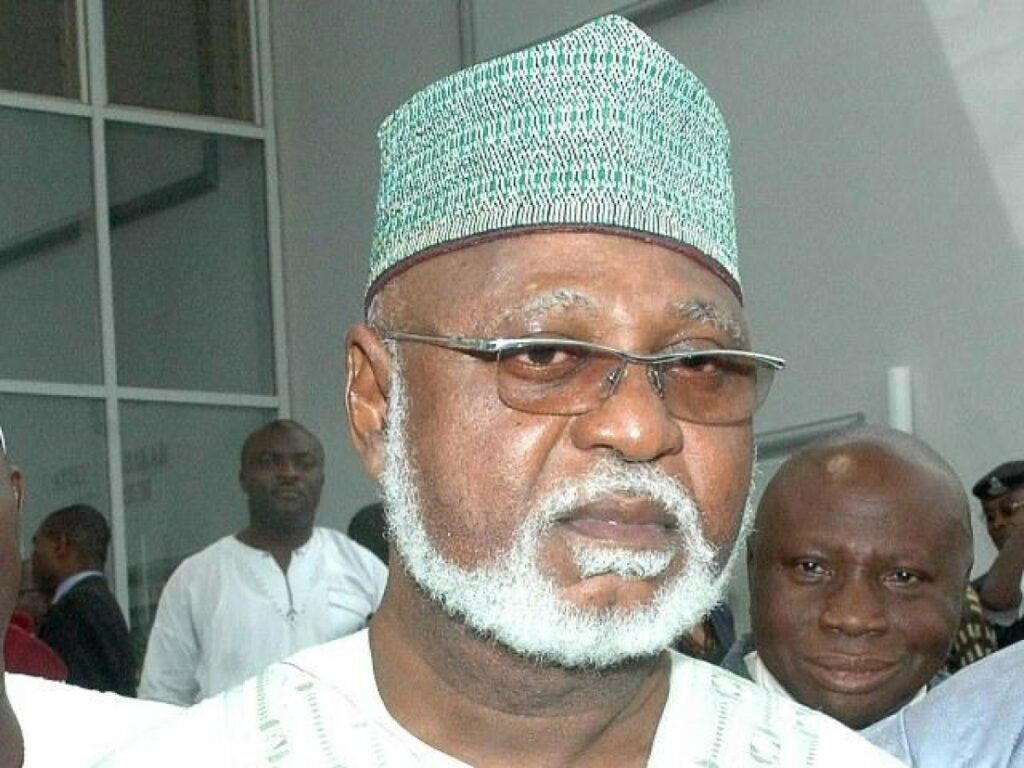
The recent revelation by Gen. Abdulsalami Abubakar regarding the circumstances surrounding MKO Abiola's death has stirred significant discourse in Nigeria. Abubakar, who served as Nigeria's military ruler during the 1990s, confirmed that Abiola collapsed during a meeting with U.S. envoys, firmly dismissing long-standing rumors of foul play, particularly poisoning. This statement comes nearly three decades after Abiola's controversial demise, which has been a focal point of political narratives and conspiracy theories in Nigeria.
Abubakar emphasized, "The late Abiola’s health was not the best, and it is important to clarify that there was no poisoning involved." His remarks may not only seek to quell speculation but also to restore Abiola's legacy as a martyr for democracy. Abiola's struggle against military rule and his subsequent imprisonment have left an indelible mark on Nigeria's political landscape.
As Nigeria continues to grapple with its past, this clarification may pave the way for a more nuanced understanding of Abiola's contributions and the ongoing quest for democratic integrity in the nation. The implications of this announcement will likely resonate in political discussions as Nigeria approaches future elections, emphasizing the need for transparency and accountability.