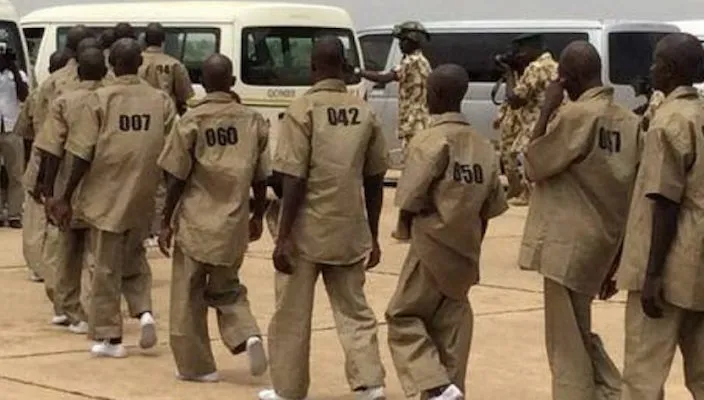
As global efforts to combat terrorism evolve, military strikes are increasingly recognized as only part of the solution. Gbenga Hashim, a noted security analyst, argues that these tactical measures often neglect the underlying socio-economic issues that fuel extremism, particularly in rural areas. Such regions remain vulnerable in the wake of military interventions, which can exacerbate local grievances and drive recruitment for terrorist groups.
Hashim underscores the importance of a holistic approach, stating, "We must address the root causes of terrorism, including poverty and lack of education, to create sustainable peace." His remarks come against a backdrop of ongoing conflicts in various African nations, where military operations have frequently failed to deliver long-term stability.
Looking ahead, it is clear that a multi-faceted strategy—incorporating community engagement, economic development, and educational initiatives—must complement military action. Only through addressing the complex factors that contribute to terrorism can nations hope to foster resilience and secure lasting peace. The path forward demands collaboration between governments, NGOs, and local communities to dismantle the cycle of violence effectively.