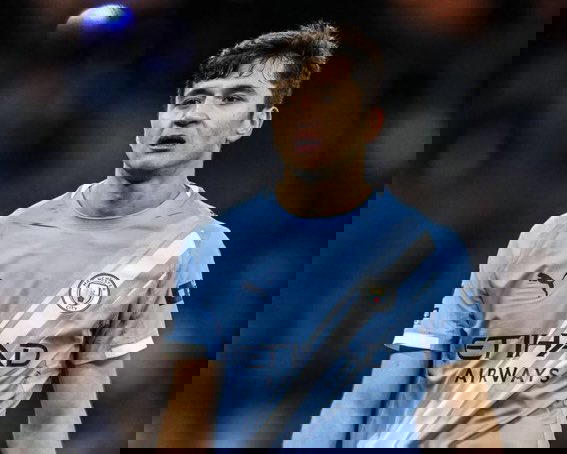
The absence of the Super Eagles at the 2026 FIFA World Cup marks a significant setback for Nigerian football, a nation renowned for its rich footballing heritage. Despite producing world-class talents, the team failed to secure qualification, stirring disappointment among fans and stakeholders alike. The 2026 World Cup was seen as an opportunity for Nigeria to showcase its emerging players on the global stage.
In recent years, Nigeria has cultivated a new generation of footballers, with standout performances in European leagues. Former international player John Obi Mikel emphasized this potential, stating, "We have the talent, but we need to focus on building a strong, cohesive unit if we want to compete at the highest level." This sentiment reflects a growing consensus that Nigeria must invest in its football infrastructure and youth development programs to reclaim its status in international football.
Looking ahead, the challenge for Nigerian football will be to harness this talent effectively. By prioritizing strategic planning and support for grassroots initiatives, Nigeria could emerge as a formidable force in future competitions, ensuring that the nation remains a pivotal player in African football.