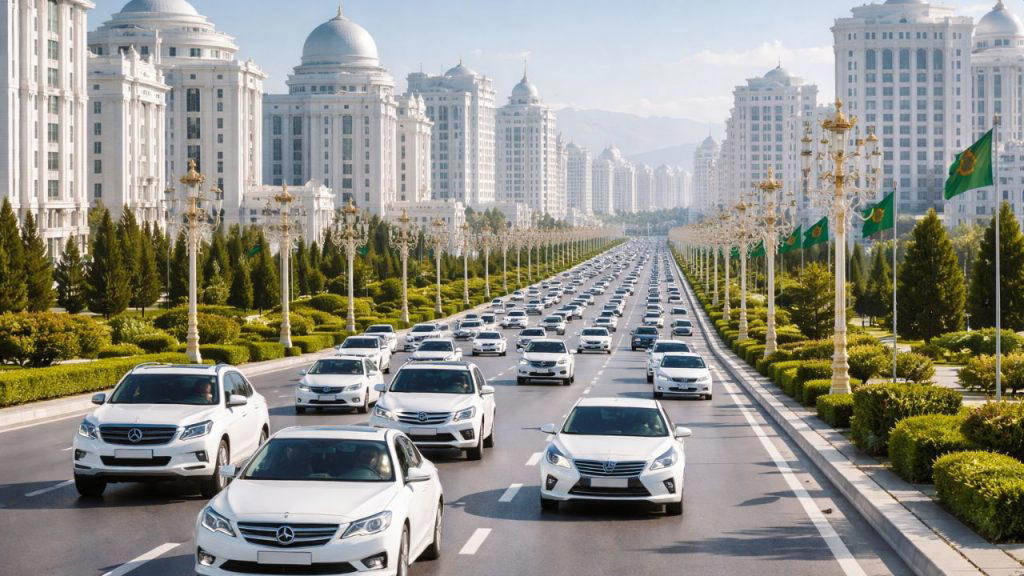
In a unique initiative aimed at enhancing urban aesthetics and environmental sustainability, a country has implemented a policy mandating that only white cars are allowed on its roads. This controversial decision stems from growing concerns over traffic accidents and pollution, with officials believing that white vehicles are more visible and thus safer.
The move has sparked a mix of support and criticism among citizens and industry stakeholders alike. "This initiative will not only reduce accidents but also create a more uniform and attractive urban landscape," states Dr. Emily Nkosi, a transportation policy expert. However, many car owners lament the restriction as an infringement on personal choice, questioning the feasibility of such a law in a diverse society.
As this policy unfolds, it raises important questions about individual freedoms versus collective welfare. The long-term implications of this decision could set a precedent for other nations grappling with similar urban challenges. Observers will be watching closely to see if this bold experiment yields the anticipated benefits or if it faces pushback that could necessitate a re-evaluation of such restrictive measures.