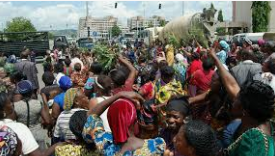
As the Igbo community marks the May 30 Biafra Remembrance Day, the call for healing and justice resonates deeply among Igbo women, who remain affected by the scars of the Nigerian Civil War. Organized under the Igbo Women Assembly (IWA), these women emphasize the ongoing emotional and social wounds that linger decades after the conflict. The day serves not only as a memorial but as a rallying point for national reconciliation.
"We still bleed," said Ngozi Okafor, a prominent member of IWA, highlighting the enduring pain of loss and dislocation within the Igbo community. The gathering is a poignant reminder of the historical grievances that continue to shape the identity and aspirations of the Ndigbo. Events like these foster a sense of unity and a collective demand for acknowledgment and reparative justice from the Nigerian state.
Looking ahead, the emphasis on reconciliation signals a potential shift in how the Nigerian government may engage with marginalized groups. As Igbo women advocate for healing, their voices could catalyze broader discussions on national unity and the need for genuine dialogue in addressing historical injustices.