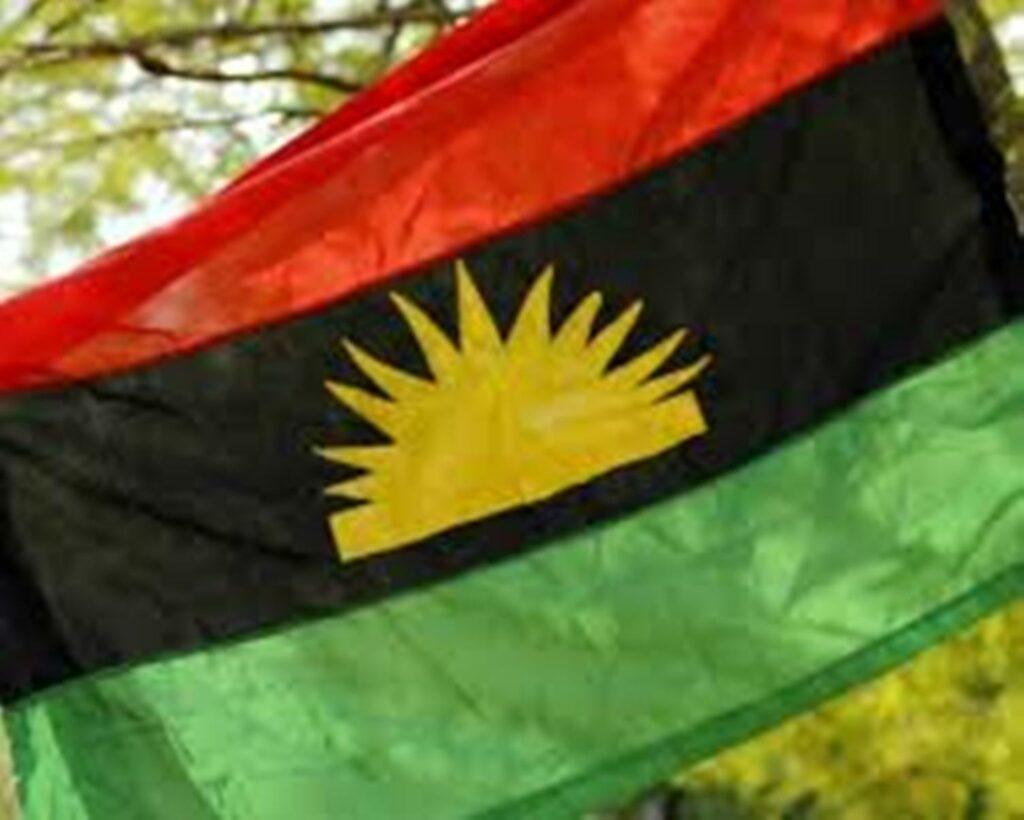
On May 30, 2026, the Movement for the Actualization of the Sovereign State of Biafra (MASSOB) celebrated widespread compliance with a sit-at-home order in honor of the 59th anniversary of the Biafran declaration. This observance reflects ongoing sentiments for self-determination among many in the South-East and former Eastern Region, despite government opposition. Reports indicated significant participation, with businesses and schools closed in solidarity.
MASSOB's leader, Uchenna Madu, praised the turnout, stating, “The people’s commitment to our cause is stronger than ever, demonstrating their enduring desire for freedom.” This event underscores the persistent yearning for Biafra's recognition and the complex historical context of the Nigerian Civil War, which ended in 1970 but left lingering tensions over ethnic identity and governance.
Looking ahead, the implications of this observance could shape political discourse in Nigeria, particularly as the government grapples with regional autonomy movements. The growing visibility of such events may compel authorities to address the underlying grievances related to marginalization and economic inequality, highlighting the urgency for dialogue in a nation still divided by its past.

