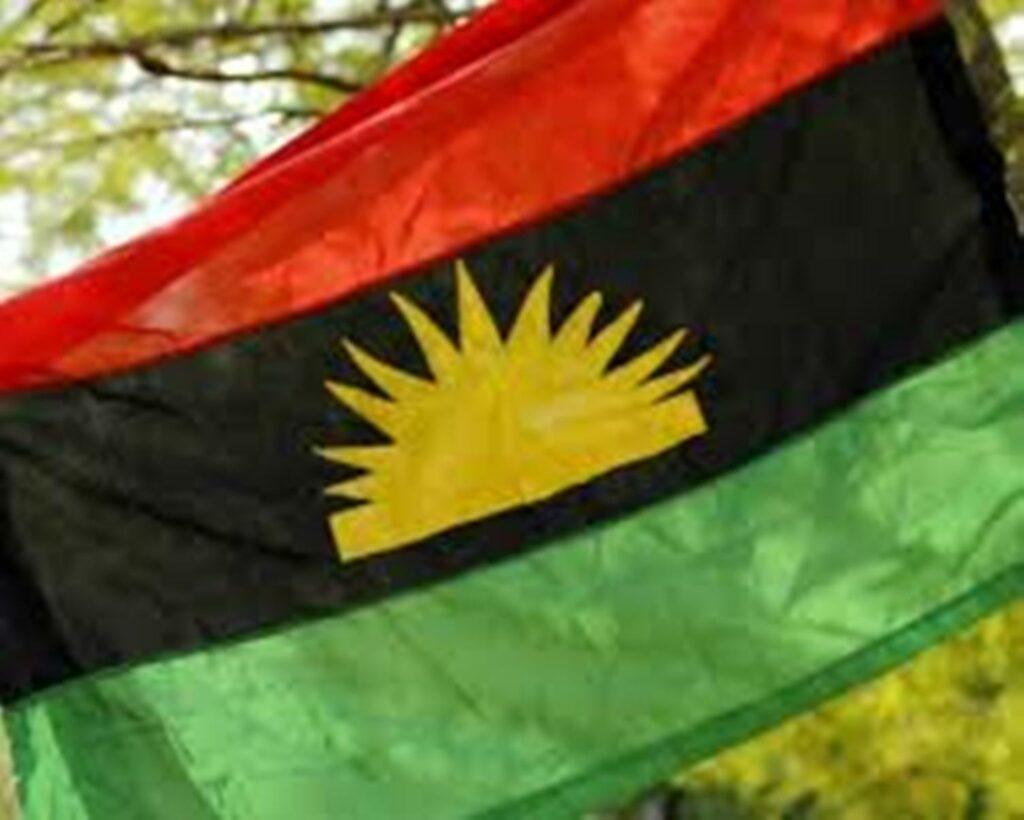
The recent condemnation of the Nigerian Army's stance against memorial prayers for victims of the civil war by the Movement for the Actualization of the Sovereign State of Biafra (MASSOB) highlights ongoing tensions surrounding Biafran identity and remembrance. The 82 Division of the Army in Enugu expressed its opposition to the planned prayers, citing concerns over potential unrest. This response has ignited further debate on the military's role in managing historical narratives in Nigeria.
MASSOB's leader, Uchenna Madu, stated, "Our prayers are meant to honor the memories of our fallen heroes, not to incite violence." This reflects a broader sentiment among many in the southeastern region who view such memorials as essential to preserving their history and cultural identity. The Army's resistance is seen by some as an attempt to suppress these collective memories.
As Nigeria continues to grapple with its historical legacies, the friction between military authority and civil expressions of remembrance may intensify. The outcome of this confrontation could influence not only the dynamics of civil-military relations but also the ongoing discourse surrounding the Biafran cause in contemporary Nigeria.