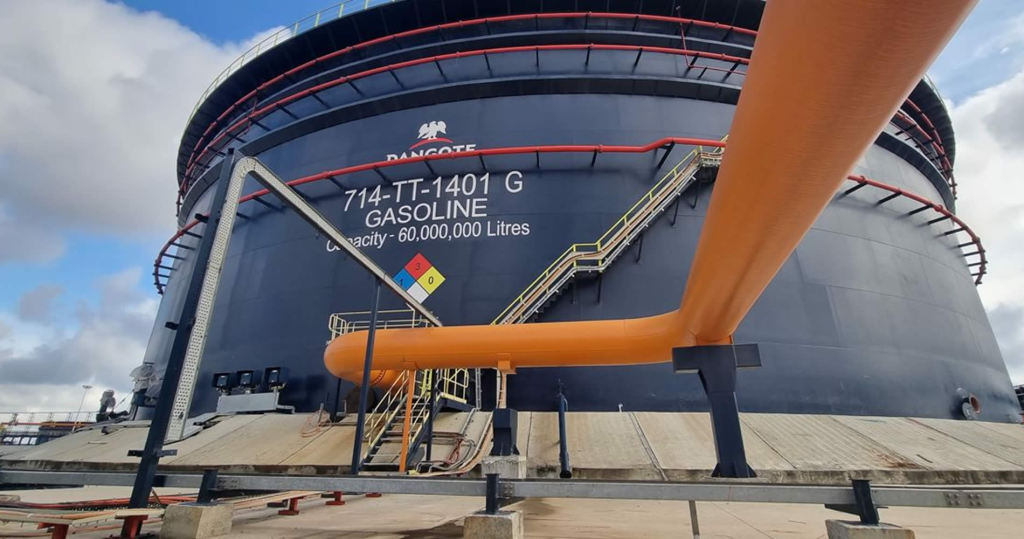
Despite the recent price cut announced by the Dangote Petroleum Refinery, fuel marketers in Abuja have opted to maintain high petrol prices, illustrating the persistent disconnect between refinery pricing and market rates. This decision comes more than 24 hours after the refinery reduced its ex-depot price, raising concerns among consumers and analysts about the transparency and dynamics of Nigeria's fuel market.
Marketers are reportedly citing various factors, including logistics and operational costs, as justifications for retaining the elevated prices. "We are still grappling with distribution challenges that make it difficult to immediately pass on the refinery's price cuts to consumers," explained Ibrahim Musa, a spokesperson for the National Association of Road Transport Owners. This statement reflects the complexities within the supply chain that continue to affect pricing strategies.
As the government seeks to stabilize fuel prices and address inflationary pressures, the ongoing resistance from marketers may necessitate regulatory intervention. Observers will be watching closely to see if this situation prompts a more unified pricing approach or if consumers will continue to face inflated costs at the pump.