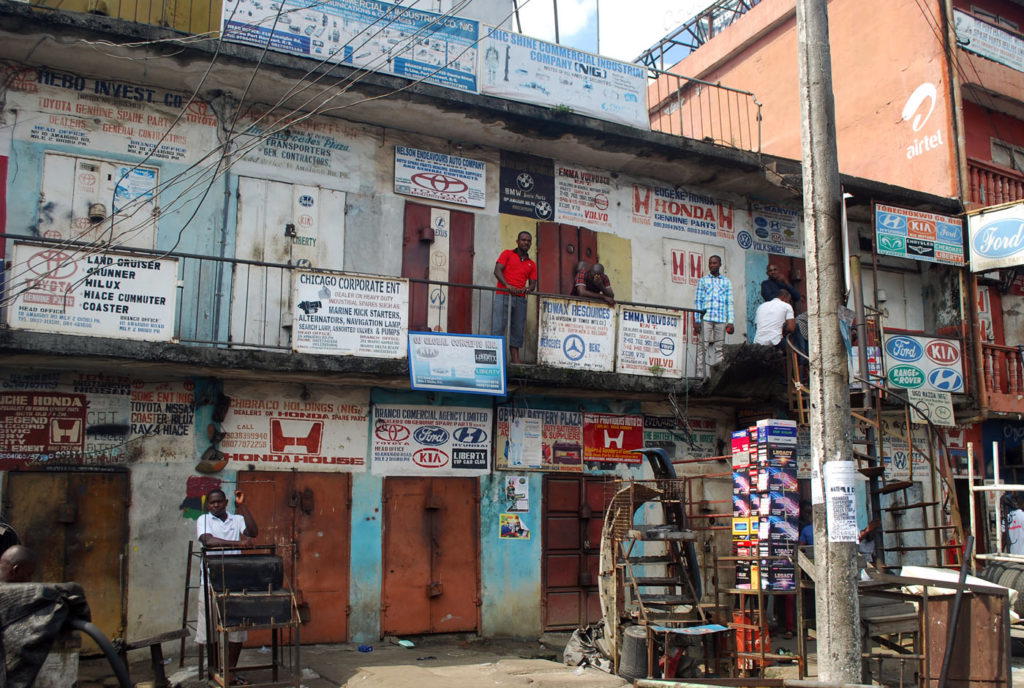
Nigerian traders are grappling with soaring transportation costs that are crippling their profit margins and forcing many to close their shops. This alarming trend signals a broader economic malaise as operational expenses outstrip earnings, leading to a significant decline in market activities across the nation.
Recent reports indicate that the price of fuel and logistical services has surged, resulting in a ripple effect on goods pricing and consumer purchasing power. "We are losing more than we earn; it's become unsustainable for small businesses like ours," lamented Adeola Okunola, a local trader and president of the Lagos Traders Association. This sentiment echoes a widespread concern among merchants who traditionally rely on market vibrancy to sustain their livelihoods.
As traders reevaluate their business models, the future of the marketplace hangs in the balance. If transportation costs continue to rise unchecked, the ripple effects could lead to increased unemployment and a further contraction of the informal economy. Policymakers must prioritize strategies that address these transportation challenges to restore confidence and vitality in Nigeria's bustling trading environment.