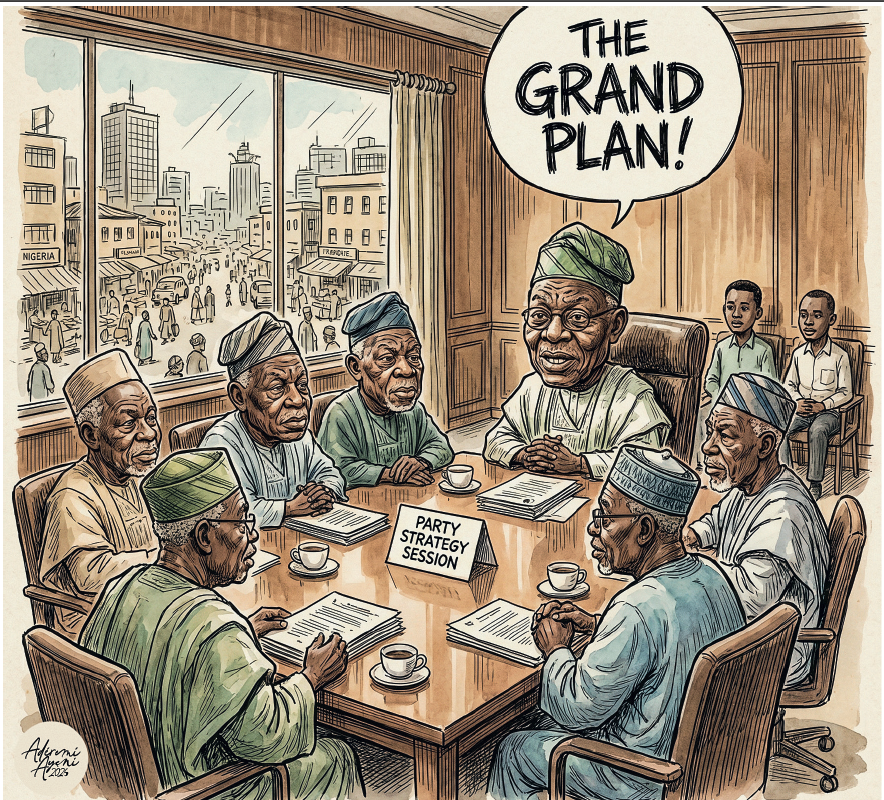
As Nigeria gears up for the 2027 general elections, the specter of manipulated internal party processes looms large, raising doubts about the authenticity of democracy within political organizations. With major parties like the APC and PDP facing internal dissent, the process of candidate selection has increasingly come under scrutiny. Allegations of backroom deals and a lack of genuine competition have surfaced, prompting concerns over whether grassroots voices will be adequately represented.
Stakeholders express frustration over the erosion of democratic principles within their parties. “Our voices are drowned out by the elite,” laments Adeola Ibrahim, a member of the PDP’s youth wing. This sentiment reflects a broader disillusionment among party members who feel marginalized in decision-making processes. The upcoming elections thus present a critical juncture; they will test the resilience of Nigeria’s democratic institutions amidst internal strife.
As the electoral landscape evolves, the need for transparent and inclusive party processes becomes paramount. If internal democracy is compromised, the legitimacy of the electoral outcomes may be questioned, potentially fueling further political instability in a nation already grappling with significant challenges.