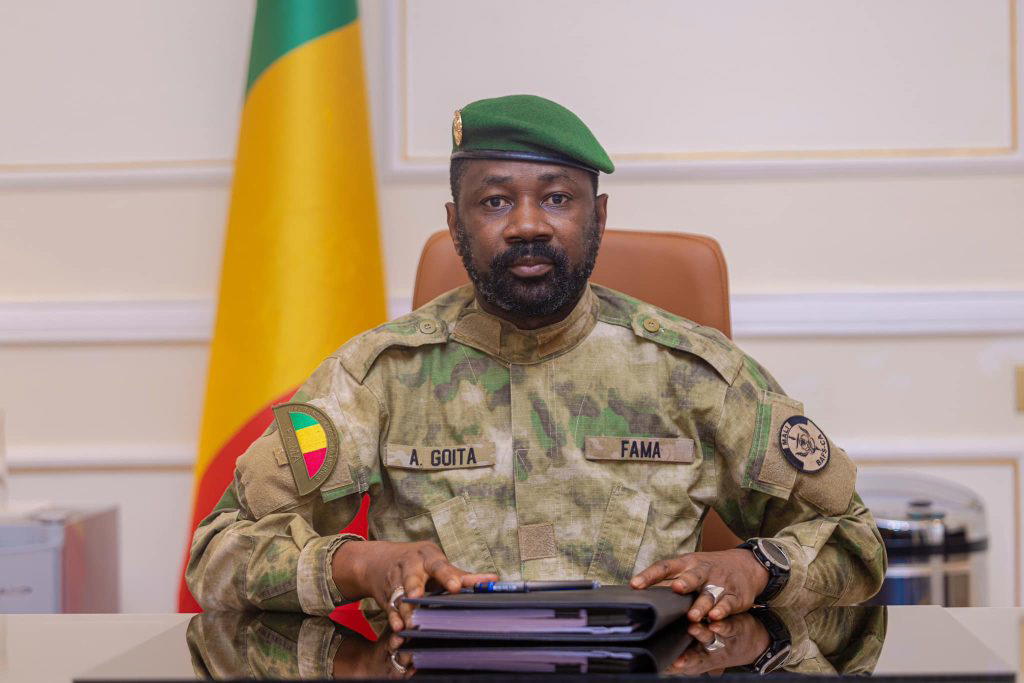
Mali's military junta has firmly rejected any negotiations with groups it labels as "terrorists," a response to escalating violence that threatens regional stability. The recent attacks, which have intensified fears of insecurity, prompted Foreign Minister Abdoulaye Diop to reinforce this hardline stance, stating, "We will not negotiate with those who seek to undermine our sovereignty." This declaration signifies a pivotal moment in Mali's ongoing struggle against insurgent violence, particularly from groups linked to Al-Qaeda and ISIS.
The junta, which seized power in a coup in 2021, faces mounting pressure both domestically and internationally to restore order. Previous attempts at dialogue with armed groups have yielded little success and have often been criticized for compromising national security. The government's refusal to engage may reflect a broader strategy to consolidate power and rally national sentiment against perceived external threats.
Looking ahead, Mali's decision could further isolate it from possible diplomatic resolutions, complicating efforts to stabilize a region already plagued by conflict. The junta's commitment to an uncompromising approach will be tested as violence continues to escalate, raising questions about the future of governance and security in Mali.