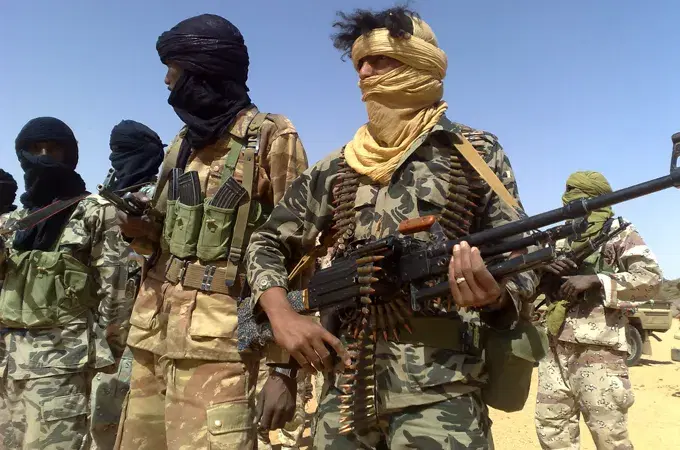
The recent resurgence of violence in Mali, particularly in the northern city of Kidal, underscores the fragility of the peace process in a region long plagued by instability. Tuareg rebels have reportedly seized control of Kidal, bolstered by jihadist fighters, marking a critical escalation in the ongoing conflict with government forces. This clash not only threatens the tenuous ceasefire but also raises concerns about the broader implications for regional security.
The Tuareg have historically sought greater autonomy, and their alliance with jihadist groups reflects a troubling shift in the dynamics of the conflict. "The situation in Kidal is dire, and if not addressed promptly, it could spiral into a larger crisis," warned Colonel Abdoulaye Maiga, the Malian government's spokesperson. The intertwining of Tuareg grievances with the jihadist agenda complicates efforts to stabilize the area.
Looking ahead, the international community must reassess its approach to Mali, focusing on inclusive dialogue and addressing the root causes of the conflict. Without a concerted effort to engage all stakeholders, Mali risks descending further into chaos, with implications that could reverberate throughout the Sahel region.