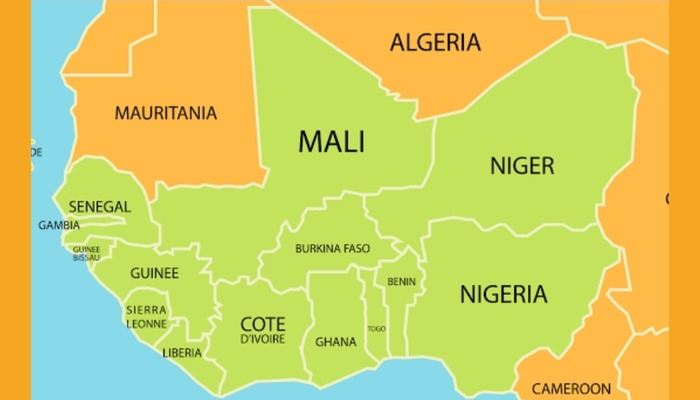
Mali's recent ban on motorcycles outside major cities marks a decisive attempt to curb the escalating violence from jihadist groups that have long exploited these vehicles for mobility and attacks. With Bamako under increasing threat from insurgents, the government aims to restrict a key transport method used for ambushes and terrorism.
The decision comes amid a deepening security crisis, characterized by a surge in jihadist operations and blockades targeting the capital. Motorcycles have become synonymous with the mobility of these groups, complicating efforts to maintain order. As Mali struggles with governance and security lapses, this measure reflects a growing urgency to protect civilians and restore stability. "We must take every step necessary to safeguard our people," stated Colonel Abdoulaye Maiga, Mali's Minister of Security.
While the ban may impede the operational capacity of jihadists, it could also disrupt the daily lives of countless citizens relying on motorcycles for transport and commerce. Moving forward, the challenge will be ensuring that such security measures do not inadvertently exacerbate the humanitarian situation. The effectiveness of this ban will depend on its enforcement and the government's broader strategy to address the root causes of the insurgency.
