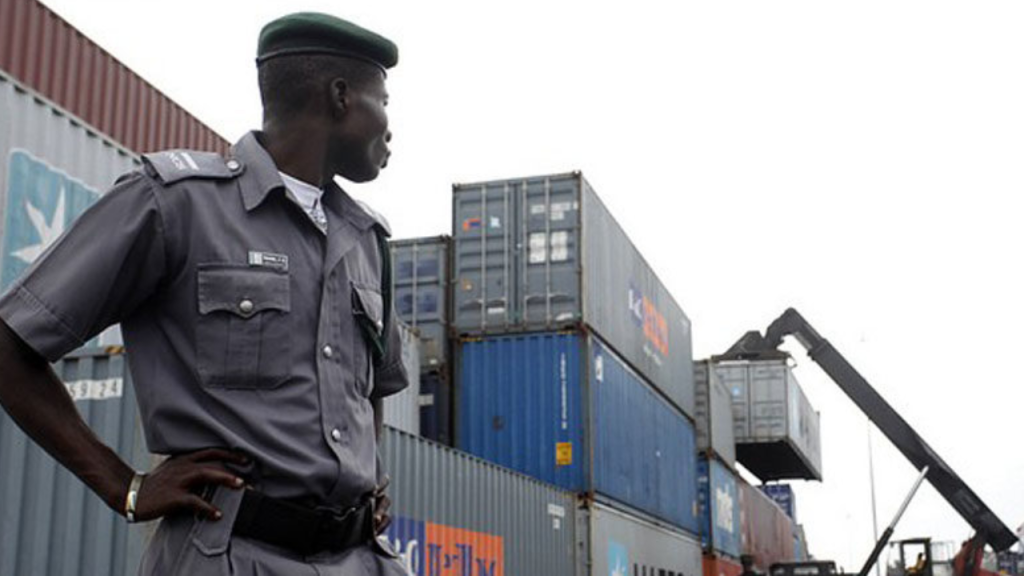
Nigerian ports face a daunting challenge in competitiveness as import costs soar compared to neighboring countries. Recent data highlights that clearing a 20-foot container in Cotonou, Benin Republic, costs between N7–8 million, while the same service in Nigeria ranges from N14–15 million. For 40-foot containers, the disparity is even more pronounced, with expenses reaching up to N25 million in Nigeria's ex-bonded terminals.
Stakeholders emphasize the urgent need for reform. "To attract more business, we must streamline operations and reduce fees at our ports," asserts Abubakar Mohammed, President of the Nigerian Importers Association. He notes that high port costs not only deter importers but also diminish Nigeria's standing as a regional trade hub.
As the government grapples with these challenges, the potential for significant economic growth hinges on making Nigerian ports more efficient. With ongoing discussions about infrastructure investments and policy reforms, there is hope that Nigeria can enhance its competitive edge, ultimately benefiting the broader economy and supporting local businesses. The path forward will require collaborative efforts between the government and private sector to address these critical issues.