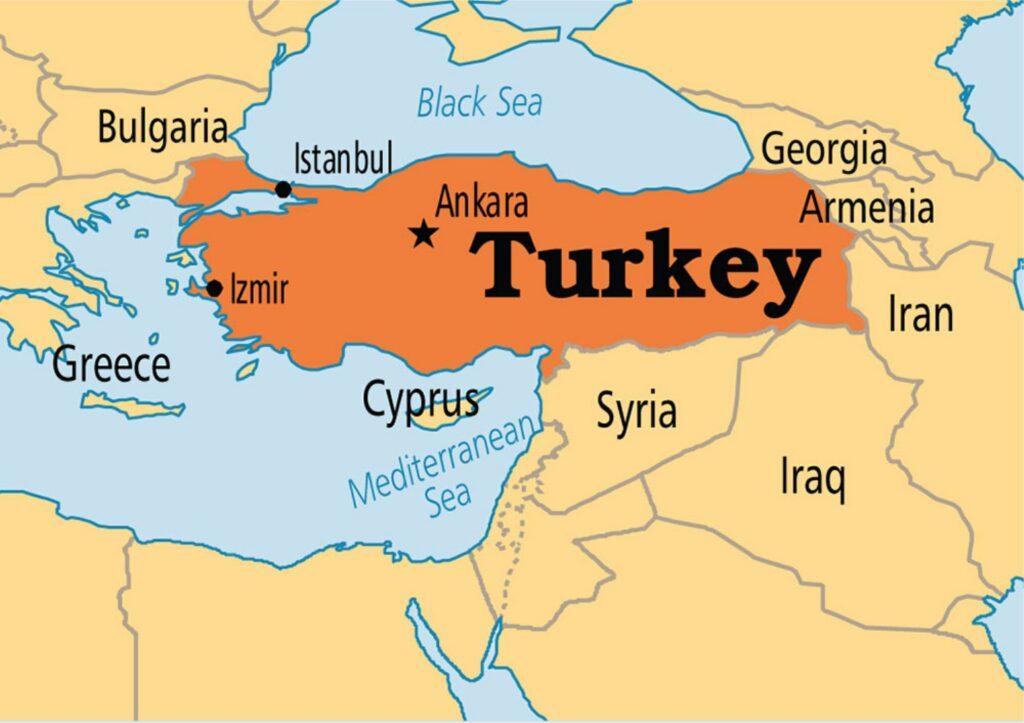
On July 18, 2026, a magnitude 5.0 earthquake struck southeastern Turkey, rattling several provinces but fortunately resulting in no casualties or structural damage, according to the country's disaster management agency. This incident highlights Turkey's vulnerability to seismic activity, given its position on the complex tectonic boundary between the Eurasian and Arabian plates.
Local authorities responded swiftly, with emergency services on standby to assess any potential impacts. "We are grateful that there have been no reported injuries or damage," said Ayse Demir, spokesperson for Turkey's Disaster and Emergency Management Authority. "We urge residents to remain prepared and aware, as aftershocks are possible."
As Turkey continues to navigate its geological challenges, the recent quake serves as a reminder of the importance of disaster preparedness. With a history of significant earthquakes, including the catastrophic 1999 Izmit quake, the Turkish government is likely to reinforce its efforts in infrastructure resilience and public education on safety protocols. Enhanced monitoring and community readiness will be crucial as the region remains susceptible to future seismic events.