In a significant development in Middle Eastern geopolitics, U.S. President Donald Trump announced that Iran has committed to not pursuing nuclear weapons, a claim he attributes to direct negotiations involving Iran's Supreme Leader, Mojtaba Khamenei. This assertion comes amid heightened tensions in the region and ongoing concerns about Iran's nuclear ambitions, which have been a focal point of international diplomacy for years.
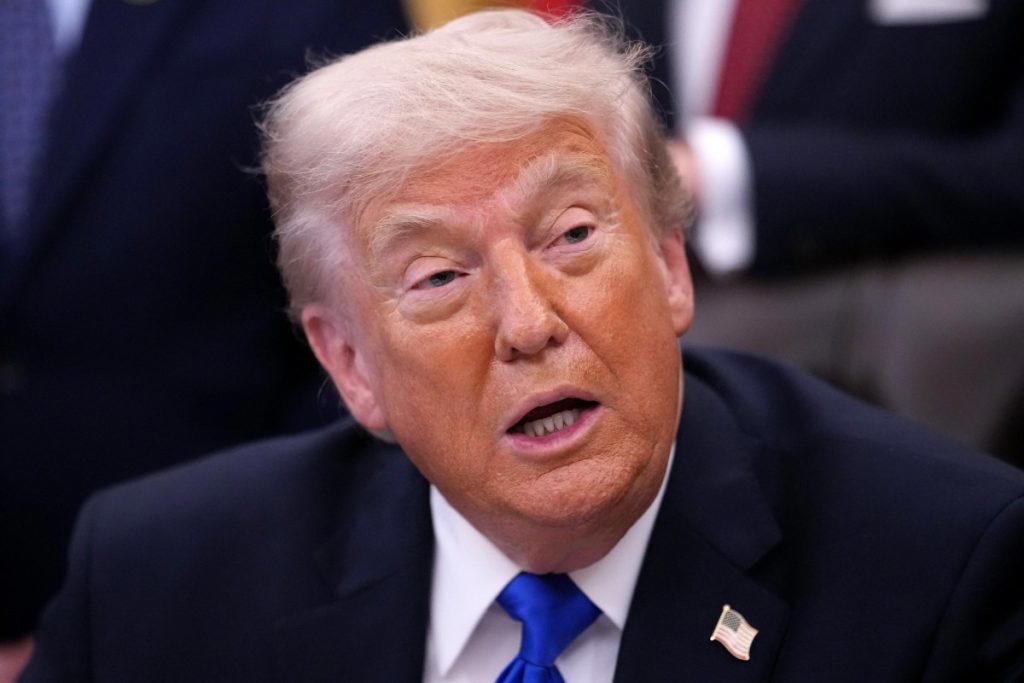
During a press conference, Trump stated, "This is a tremendous step forward for peace in the region," emphasizing the potential for improved U.S.-Iran relations. The announcement raises questions about the veracity of Trump's claims, considering the complex history of mistrust between the U.S. and Iran. Analysts warn that while diplomatic engagements are promising, they often face significant hurdles, particularly with hardliners in both countries.
Looking ahead, the implications of this agreement could reshape the balance of power in the Middle East, potentially leading to a shift in U.S. foreign policy. However, the path to lasting peace will require sustained dialogue and verification to ensure compliance, as skepticism remains prevalent within both Iranian and American political spheres.