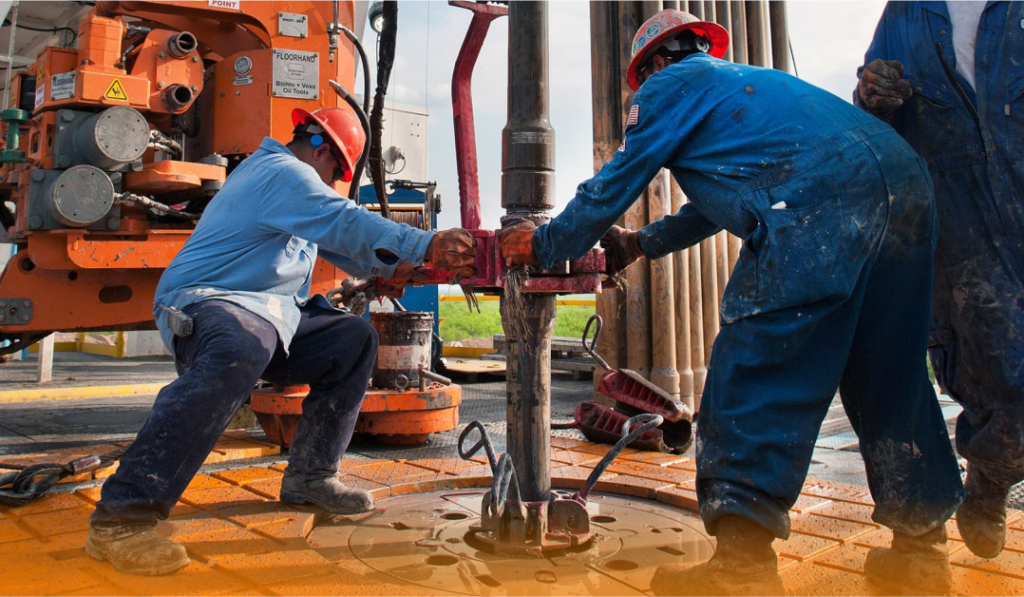
In a significant turnaround for Nigeria's energy sector, the federal government announced that local petrol production has surged to 48 million litres per day, a remarkable increase from virtually zero reported in 2023. This development comes amid ongoing efforts to enhance domestic refining capabilities and reduce dependence on imported fuel, which has been a persistent challenge for the country.
The government attributes this progress to strategic investments and reforms aimed at revitalizing the oil industry, which has faced years of mismanagement and infrastructure decay. "Our commitment to self-sufficiency in fuel production is finally bearing fruit, and this will stabilize prices and enhance energy security," stated Mele Kyari, Group Managing Director of the Nigerian National Petroleum Corporation (NNPC).
As local production ramps up, the implications for Nigeria's economy could be profound, potentially leading to lower fuel prices and improved energy access for citizens. However, challenges remain in ensuring the sustainability of this production level, addressing infrastructural needs, and managing the environmental impacts of increased oil activity. The government's ability to maintain this momentum will be crucial for the future of Nigeria's energy landscape.
