As Nigeria grapples with persistent structural imbalances, the call to allow regions like Anioma, Ijebu, Ogoja, and Ibadan to govern themselves is gaining traction. General Yakubu Gowon’s assertion in 1967 about the need for a balanced federation remains relevant as various ethnic groups advocate for autonomy in response to perceived marginalization.
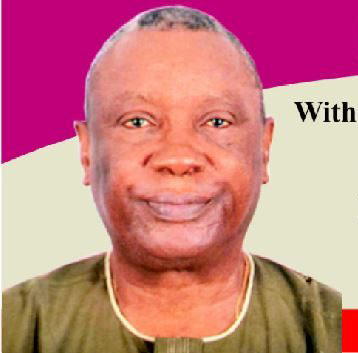
Recent discussions highlight the frustrations stemming from centralized governance, which many believe stifles local development. Stakeholders like Chief Edwin Ume-Ezeoke, a prominent political figure, emphasize the need for self-determination: “Let these regions manage their resources and chart their own destinies.” This sentiment echoes a growing belief that a decentralized approach could foster stability and development.
Looking ahead, the push for regional autonomy could reshape Nigeria’s political landscape, as more voices join the chorus for a restructured federation. If achieved, this shift may not only address long-standing grievances but also empower local governance, enabling regions to harness their unique potentials effectively. As debates continue, the path towards a more equitable federation depends on the willingness to listen and adapt to the aspirations of diverse communities.