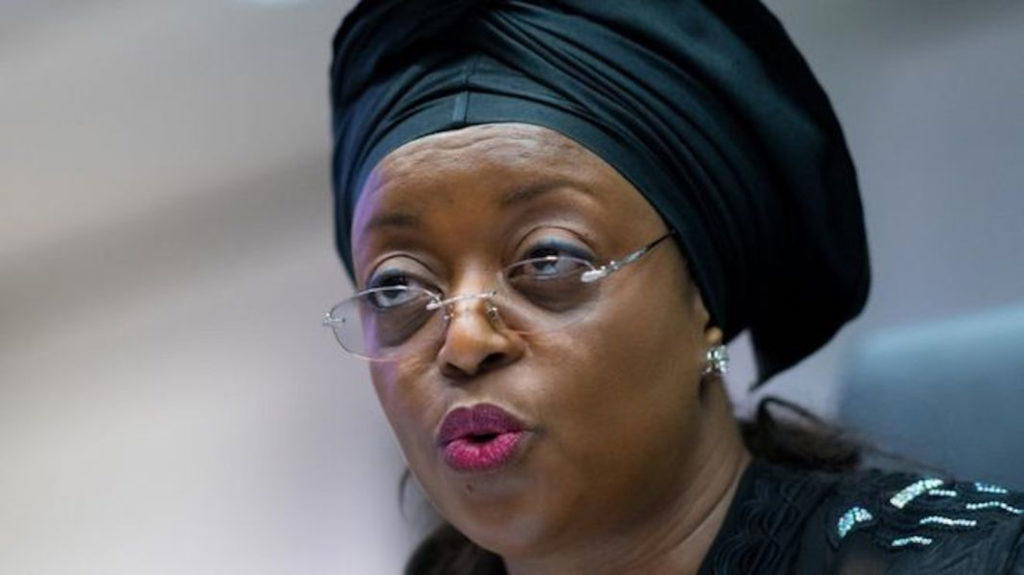
The ongoing legal proceedings against former Nigerian oil minister Diezani Alison-Madueke in the UK have sparked significant concerns regarding the fairness of her trial. As she faces allegations of corruption, lawyers are questioning whether the trial can remain impartial amid rising public interest and media scrutiny. This case underscores the delicate balance between justice and public perception, particularly in high-profile corruption matters.
Legal experts emphasize that "justice must be evidence based, proportionate, fair, [and] remain free from sensationalism," according to Adeola Adebayo, a prominent lawyer involved in the case. These concerns highlight the potential for bias, suggesting that public pressure could influence judicial outcomes. With Diezani maintaining her innocence, the legal community is closely monitoring the proceedings to ensure they adhere to standards of fairness and due process.
As the trial progresses, the implications for Nigeria's fight against corruption are profound. A transparent and fair process could bolster public trust in the judicial system, while any perceived injustices could undermine confidence in anti-corruption efforts. The outcome will likely resonate beyond the courtroom, shaping the narrative around governance and accountability in Nigeria.