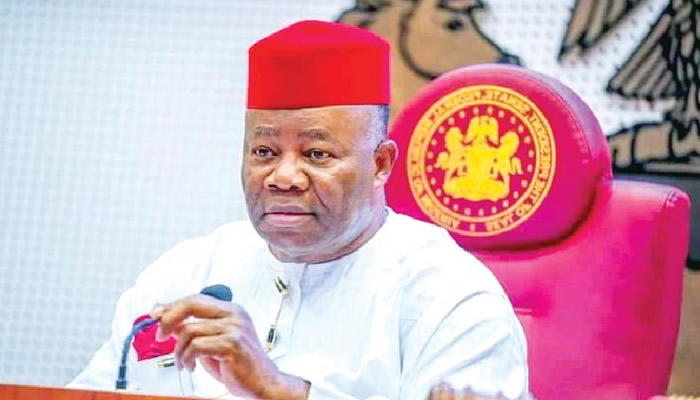
In a recent statement, Senate President Godswill Akpabio emphasized the significant advantages that lawmakers have gained from the transition to civilian rule initiated by General Abdulsalami Abubakar in 1999. This pivotal moment in Nigeria's history marked a shift away from military governance, enabling a democratic framework that allowed for the establishment of the National and State Houses of Assembly.
Akpabio highlighted that the civilian administration has afforded lawmakers greater opportunities to influence policy and governance. “The decision by General Abdulsalami to return power to civilians has nurtured an environment where legislators can thrive and contribute meaningfully to nation-building,” he stated, underscoring the importance of this democratic evolution.
As Nigeria approaches another electoral cycle, the implications of Akpabio's remarks resonate with the ongoing debates about the effectiveness and accountability of lawmakers. The legacy of the 1999 handover continues to shape political dynamics, and with calls for reform growing louder, the future of governance in Nigeria may hinge on how these representatives leverage their positions in the coming years.