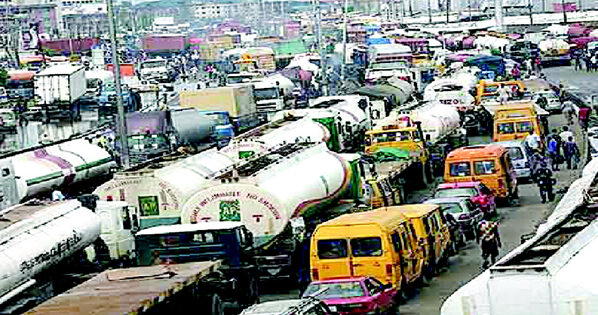
The Mile 2-Apapa corridor in Lagos is grappling with severe traffic congestion, primarily due to the inefficiencies of the Lagos State Traffic Management Authority (LASTMA), the Federal Road Safety Corps (FRSC), and the operations of nearby tank farms. This situation has drawn the ire of commuters and stakeholders alike, who are increasingly frustrated by the gridlock that plagues one of Nigeria's vital transport routes.
Reports suggest that LASTMA and FRSC are failing to effectively manage the flow of vehicles, particularly during peak hours, exacerbating the already dire situation caused by tank farm operations. "The authorities must take urgent action to streamline traffic management in this corridor; otherwise, the economic implications will be dire," stressed Adebayo Olatunji, a transport analyst.
As the government seeks to enhance infrastructure and improve logistics around the Apapa area, addressing these systemic issues is essential. Without a cohesive strategy involving all stakeholders, the Mile 2-Apapa gridlock will likely continue to hinder economic activity and frustrate daily commuters. The need for coordinated action has never been more pressing.

