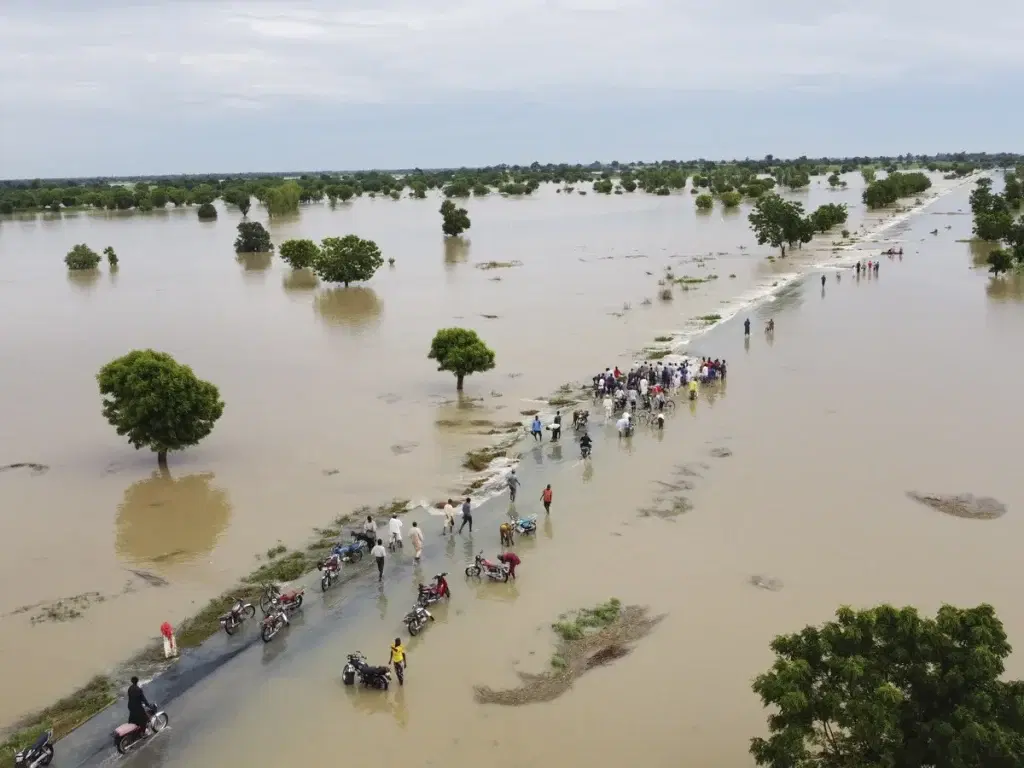
Severe flooding in Lagos has left residents of Ajah and Mafoluku stranded, highlighting the ongoing challenges of urban infrastructure and climate resilience. Following Thursday's torrential rainfall, homes were submerged, and access to major roads was severely restricted, raising alarms about the city’s preparedness for such natural disasters.
Local authorities have been criticized for inadequate drainage systems and poor urban planning, which have consistently failed to manage heavy rainfall. Affected resident, Adeola Okoye, a community leader, stated, "We can't keep living like this; the government needs to prioritize our safety and invest in better drainage." This sentiment echoes the frustrations of many who feel abandoned during dire situations.
As Lagos grapples with the effects of climate change, the need for comprehensive flood management strategies has never been more urgent. Without significant investment in infrastructure and emergency response systems, vulnerable communities will continue to face the brunt of environmental disasters. Addressing these systemic issues will be crucial to ensuring that residents are not left stranded in future crises.