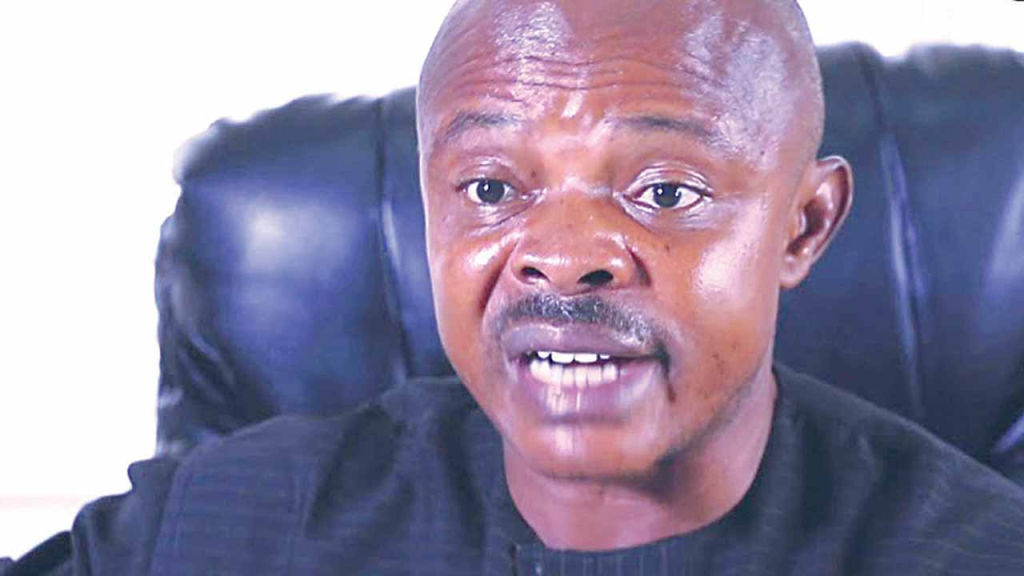
The Nigerian government's treatment of workers has taken a serious turn as the Organised Labour has presented a case to the International Labour Organization (ILO), citing widespread rights abuses. This move underscores a growing discontent over violence, intimidation, and state interference that have plagued labor relations in Nigeria. The situation has escalated to a point where union leaders describe the rights crisis as a “malignant cancer” affecting the nation's workforce.
The allegations presented by unions highlight systemic issues, including suppression of protests and undue influence over labor activities. These developments come amid ongoing economic challenges, where workers feel increasingly vulnerable. "The government's actions are not just a betrayal of workers' rights but a threat to democracy itself," stated Joe Ajaero, President of the Nigeria Labour Congress. His remarks reflect the urgent need for international intervention to uphold labor rights.
As the ILO prepares to address the Nigerian government's practices, the outcome could have significant implications for labor policies and governance. The situation calls for a renewed commitment to safeguarding workers' rights, setting a precedent for accountability and reform in Nigeria's labor landscape.

