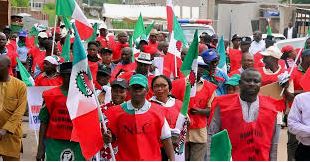
The Organised Labour’s decision to bring the Federal Government before the International Labour Organization marks a significant escalation in Nigeria's ongoing struggle over workers' rights. Citing rampant violence, intimidation, and state interference, unions argue that the government's actions have turned the rights crisis into a “malignant cancer,” undermining the fabric of civil society. This appeal to the ILO signals not just a demand for accountability but also a desperate plea for international intervention.
In a statement, Joe Ajaero, President of the Nigeria Labour Congress, emphasized, “We are compelled to seek justice on behalf of countless workers whose rights have been trampled upon.” This legal challenge underscores the growing frustration among Nigerian workers, who have faced increasing repression in recent years. The backdrop of widespread protests against poor working conditions and economic hardship adds urgency to their claims.
As the situation unfolds, the potential repercussions for the Nigerian government could be severe, ranging from international condemnation to financial penalties. The ILO's response may catalyze a broader dialogue on labor rights in Nigeria, potentially reshaping the landscape for workers across the nation.