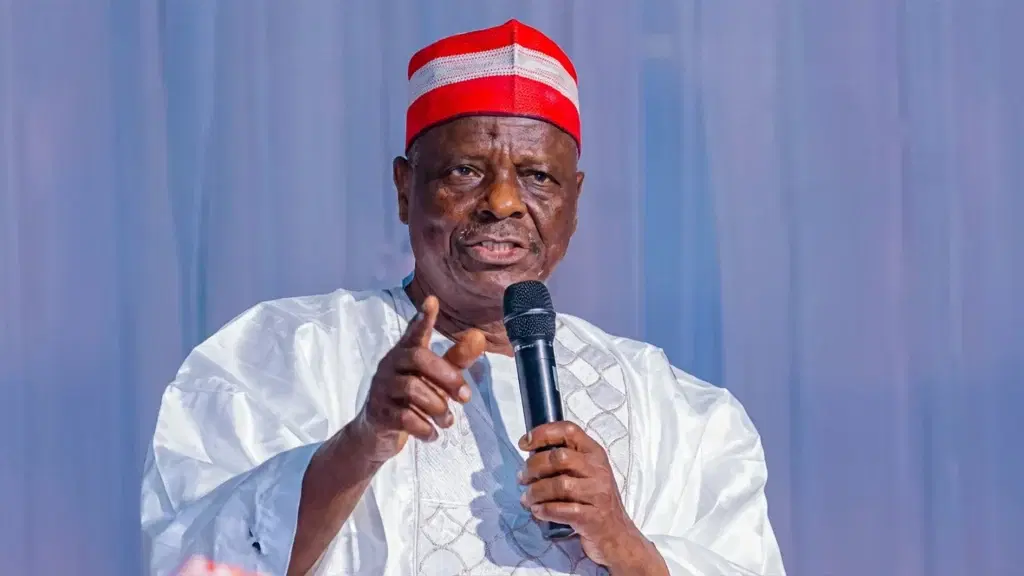
Political tensions in Kano have escalated as the camp of Rabiu Kwankwaso, former governor and presidential candidate, vehemently denied allegations linking him to the All Progressives Congress (APC) and its leader, Bola Tinubu. The Kano state government recently asserted that Kwankwaso’s ties with the APC undermine his credibility. In response, Kwankwaso's team challenged the government to present concrete evidence to support its claims, reflecting the deepening rift within the region's political landscape.
Kwankwaso's spokesperson stated, "We have no affiliations with the APC; these accusations are unfounded and politically motivated." This exchange underscores the broader implications of factionalism within Nigerian politics, where accusations often serve as tools for political maneuvering.
As the 2027 elections draw nearer, the tensions in Kano may have significant ramifications for both Kwankwaso and the APC. The ongoing conflict not only highlights the fragility of political alliances but also signals a potential shift in voter sentiment, suggesting that the electorate might prioritize authenticity over party loyalty in their choices. The coming months will be critical in shaping the political narrative in Kano and beyond.


