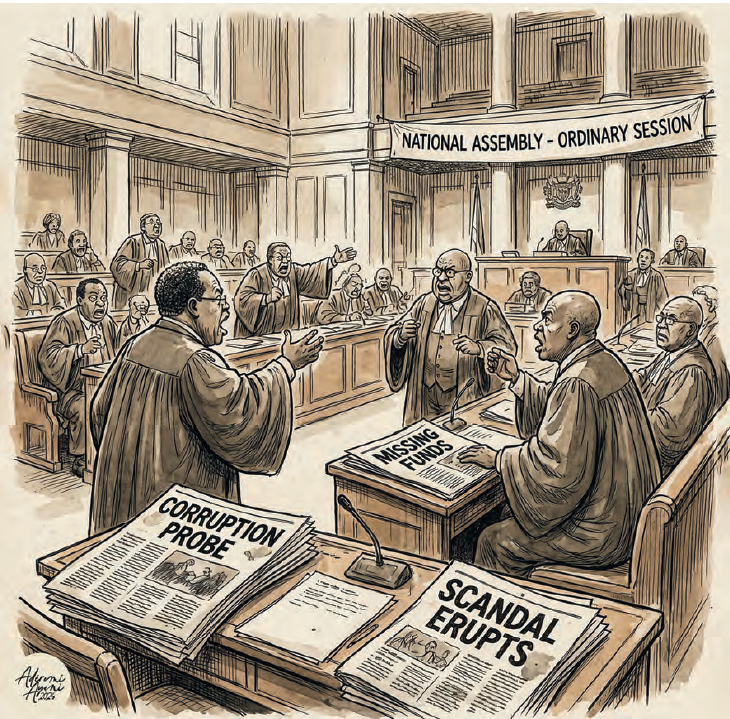
Corruption in Nigeria has evolved from a hidden vice to a normalized aspect of political life, with recent events highlighting the deep-seated kleptocracy plaguing the nation. In January 2019, Adams Oshiomhole, the former National Chairman of the All Progressives Congress (APC), famously stated, "Corruption is not just in the past; it’s the currency of our politics." This sentiment reflects the prevailing mindset among political leaders, where corruption is not merely tolerated but often celebrated.
Over the years, numerous scandals have surfaced, implicating high-ranking officials in embezzlement and misappropriation of funds, further eroding public trust. The absence of substantial accountability mechanisms has enabled this culture to flourish, with citizens increasingly disillusioned by the lack of action against corrupt practices.
As Nigeria approaches the next electoral cycle, the challenge remains: will the electorate demand integrity and accountability, or will the normalization of corruption persist? The answer may determine the nation's future, as a collective push for transparency could catalyze meaningful reform in a system long plagued by greed and impunity.