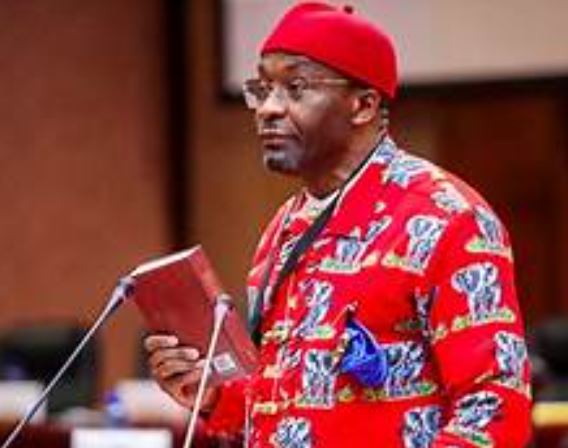
In a move that underscores the contentious nature of budget allocations in Nigeria, Deputy Speaker Rep. Benjamin Okezie Kalu has firmly denied claims that N1 billion was earmarked in the proposed 2026 budget for church-related musical instruments. The allegations, which surfaced recently, have sparked outrage among constituents who view such spending as misaligned with pressing community needs.
Kalu emphasized the budget's focus on youth reorientation initiatives in Bende, stating, "Our priorities are clear; we are committed to empowering our youth and addressing their challenges, not funding church activities." This statement reflects a broader narrative in Nigerian politics, where budget transparency and accountability are increasingly scrutinized by the public and media alike.
As political tensions rise, the implications of this denial extend beyond mere fiscal concerns. It highlights an ongoing struggle between government priorities and public expectations, particularly in a country grappling with youth unemployment and social unrest. Moving forward, stakeholders will need to ensure that budgetary allocations resonate with the needs of citizens to foster trust and legitimacy in governance.
