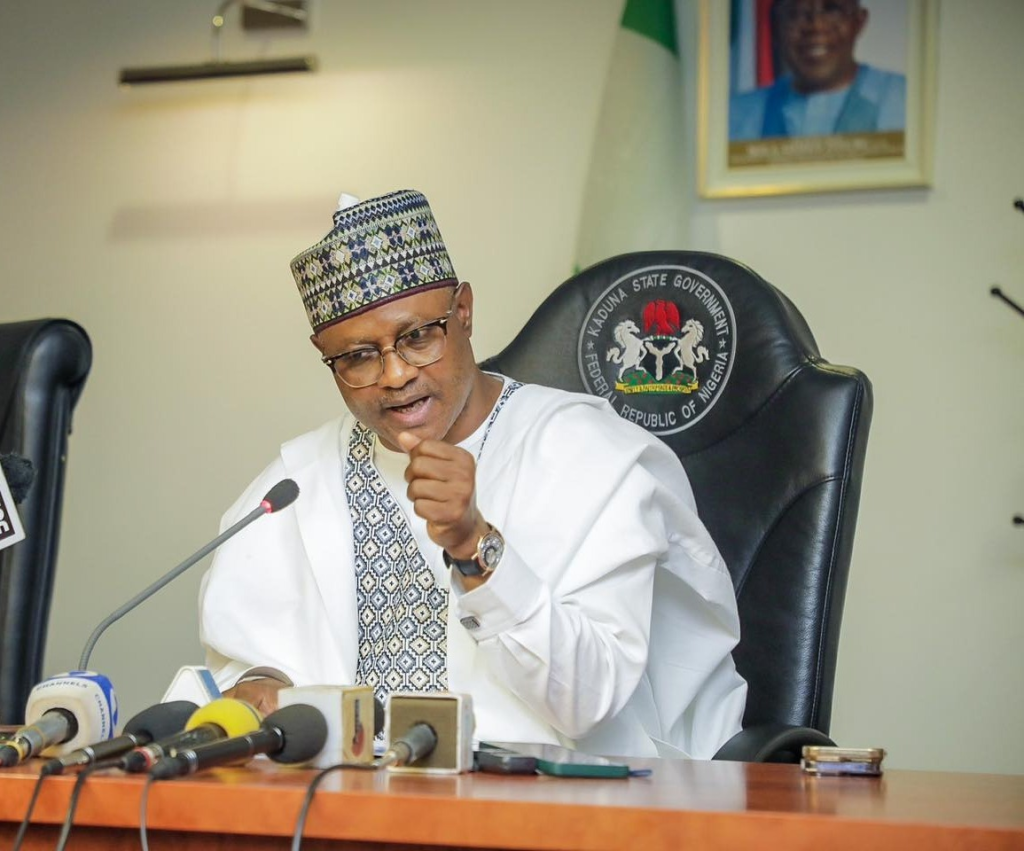
In a bold declaration, Kaduna State Governor Uba Sani has proclaimed the state a "one-party state," effectively sidelining opposition voices. During a recent address to his commissioners, Sani expressed confidence in the dominance of his party, stating, "To my commissioners, I just want to thank you, and I can assure you that Kaduna State, as we are speaking, we have no opposition." This statement underscores the political landscape in Kaduna, where the ruling party has successfully consolidated power amidst a backdrop of increasing tension between government forces and dissenting factions.
Historically, Kaduna has been a battleground for multi-party politics, but recent actions by the state government, including controversial legislation and suppression of dissent, have paved the way for this significant shift. Critics argue that this move undermines democratic principles and stifles political plurality, raising concerns about governance and accountability.
As Kaduna transitions into this new political reality, the implications for citizen engagement and civil liberties remain to be seen. The state's trajectory will likely shape the broader political discourse in Nigeria, as other regions observe the consolidation of power and its effects on democratic processes.