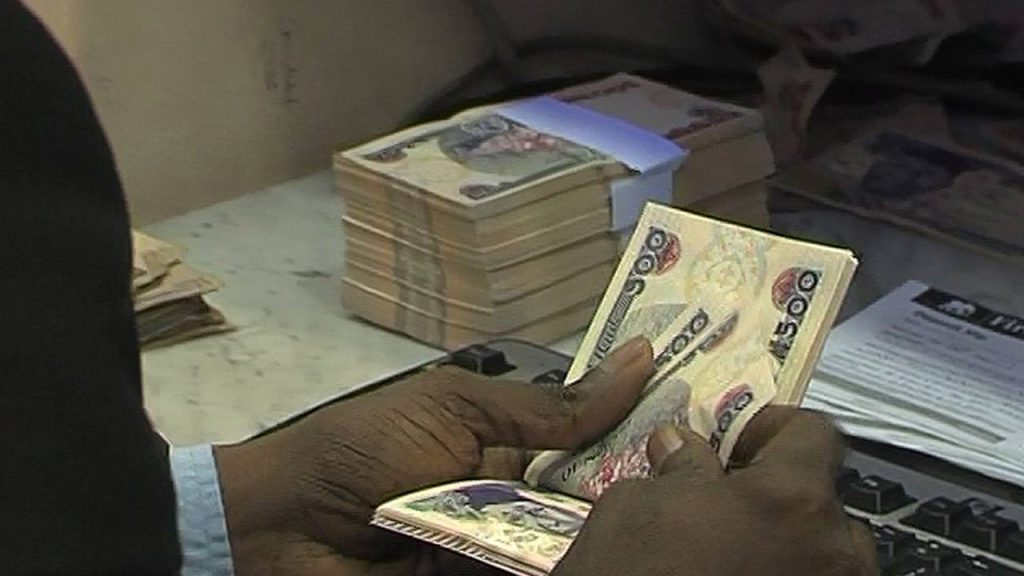
Nigeria's inflation rate has escalated to 15.69% in April 2026, marking a concerning uptick from March's 15.38%. This 0.31 percentage point increase, reported by the National Bureau of Statistics, highlights persistent economic challenges facing the nation. Factors contributing to this rise include fluctuating food prices, currency depreciation, and ongoing supply chain disruptions exacerbated by global economic conditions.
Stakeholders are expressing concern over the implications of rising inflation on consumer purchasing power. "The increasing inflation is a significant worry for both households and businesses, as it erodes savings and affects investment decisions," stated Dr. Ngozi Okonjo-Iweala, an economist and former finance minister. This sentiment underscores the urgency for targeted economic policies to stabilize the situation.
Looking ahead, the Central Bank of Nigeria faces a critical test in balancing interest rates to combat inflation while nurturing economic growth. With ongoing global uncertainties and domestic pressures, the path forward requires a nuanced approach that prioritizes both immediate relief for citizens and sustainable economic recovery.