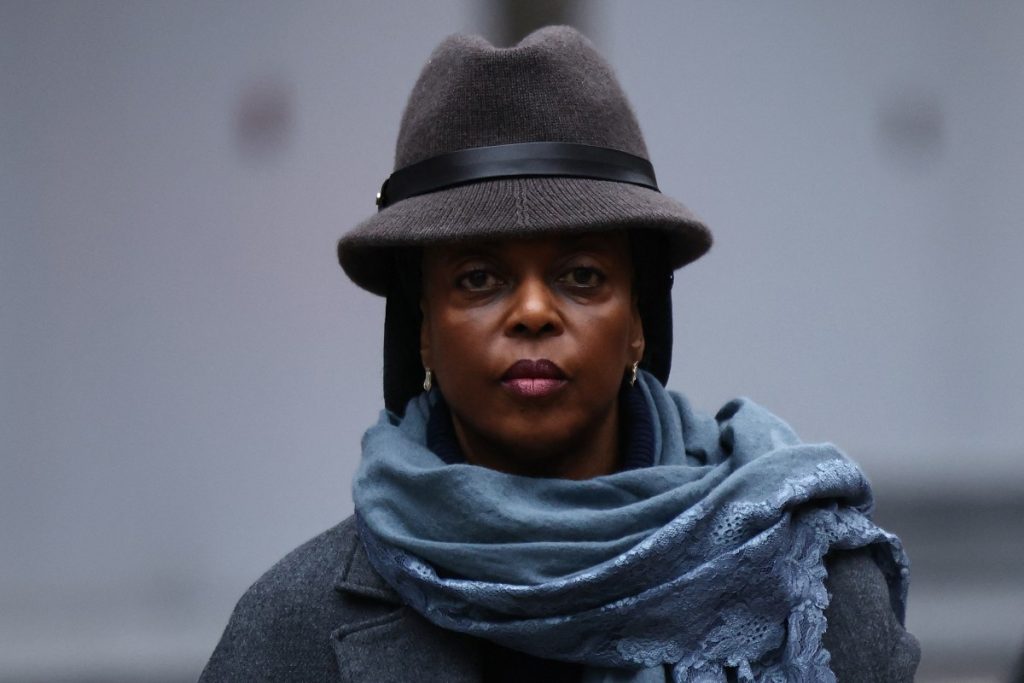
The jury's deliberation in the trial of Diezani Alison-Madueke marks a crucial moment in Nigeria's ongoing battle against corruption. Alison-Madueke, who served as petroleum minister from 2010 to 2015, faces multiple charges including money laundering and fraud, stemming from her tenure during a period of significant oil revenue. After nearly four months of testimonies and evidence presentation, the jury's decision could have lasting implications for Nigeria's political landscape.
Key developments in the trial included testimonies from several witnesses who detailed alleged misappropriations of funds, painting a stark picture of corruption at the highest levels of government. As one of the most prominent figures in Nigeria's oil sector, Alison-Madueke's case has become emblematic of the corruption challenges facing the country. “This trial is not just about one individual; it's about restoring public trust in our institutions,” said Olusegun Adeyemi, a legal expert.
Looking ahead, the jury's verdict will not only impact Alison-Madueke but may also influence future governance and anti-corruption efforts in Nigeria, underscoring the urgent need for accountability in a nation rich in resources yet plagued by systemic corruption.
