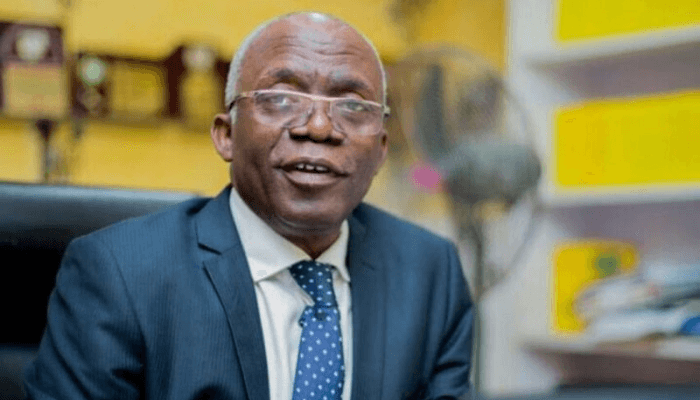
On June 12, 2026, a coalition of civil society organizations, trade unions, and youth groups will mobilize for a nationwide protest aimed at addressing Nigeria's escalating insecurity and economic hardship. The announcement, led by prominent activist Femi Falana, underscores a growing frustration among citizens grappling with the dual crises that have severely impacted daily life.
The decision to protest comes on the heels of alarming reports highlighting a surge in violence across the country, alongside rising inflation and unemployment rates that have left many Nigerians struggling to meet basic needs. Falana, a notable human rights lawyer, stated, “We can no longer remain silent while our people suffer. This protest is a clarion call for action against the failures of governance.”
As citizens prepare to march, the protests signal a pivotal moment in Nigeria's socio-political landscape. The coalition's united front could potentially galvanize broader support for reforms, forcing government officials to confront pressing security issues and economic policies. With public sentiment mounting, the outcome of this demonstration may well influence Nigeria's political trajectory in the coming months.