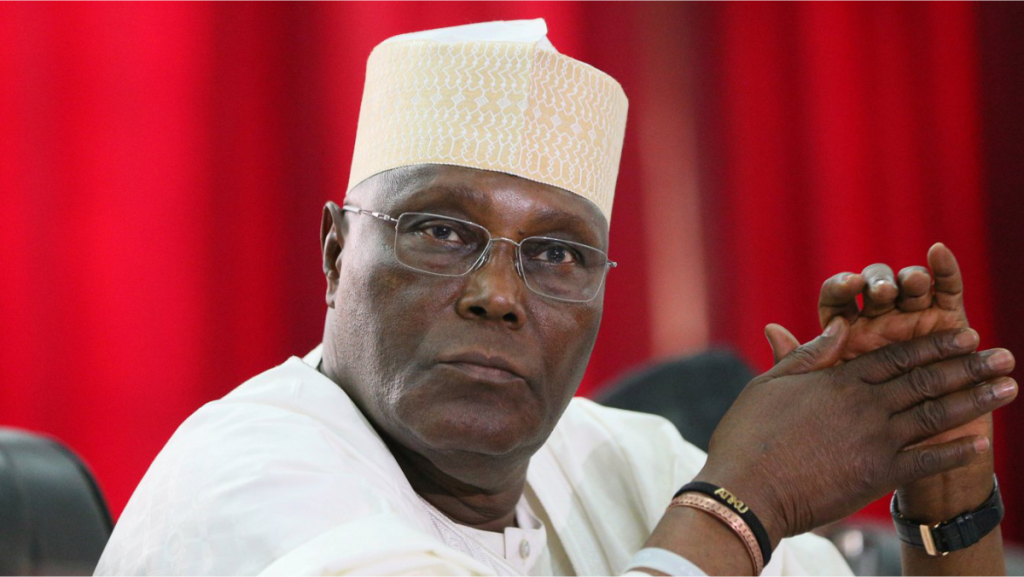
In a significant revelation, Senator George Akume, Secretary to the Government of the Federation, affirmed that Atiku Abubakar, a key political figure and former vice president, was instrumental in discussions leading to Nigeria's rotational presidency framework. This statement, made during a World Press Conference in Abuja, comes as Nigeria commemorates its 27th Democracy Day Anniversary, a time for reflection on the nation's political evolution.
The idea of a rotational presidency was conceived to foster national unity and ensure equitable representation among Nigeria's diverse ethnic groups. Akume's acknowledgment of Atiku's involvement underscores the importance of collaboration among political leaders in shaping governance structures. "Atiku has been a pivotal player in our democratic journey," Akume stated, emphasizing the necessity for collective efforts in the political landscape.
Looking ahead, this discourse on rotational presidency remains crucial as Nigeria prepares for upcoming elections. As political dynamics evolve, stakeholders must navigate these discussions carefully to maintain stability and inclusivity in governance. The commitment to a rotational presidency could ultimately serve as a measure to address longstanding grievances, aiming for a more cohesive national framework.
