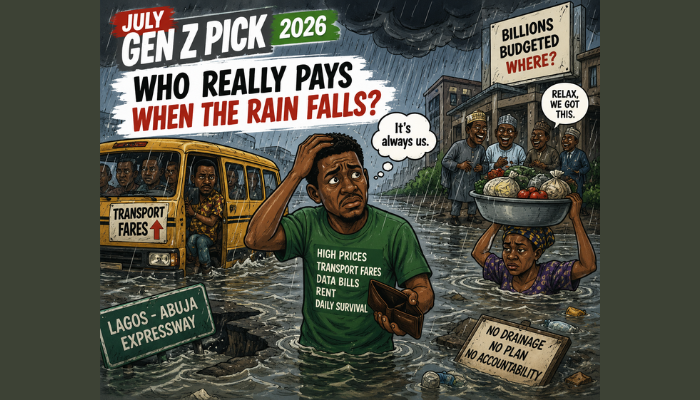
Lagos has recently faced unprecedented flooding, leaving major roads submerged and commuters navigating knee-deep water. This crisis has once again spotlighted the vulnerabilities in the city’s infrastructure and its preparedness for extreme weather events, exacerbated by climate change. Streets that once bustled are now unrecognizable, highlighting the urgent need for systemic change.
Local officials have attributed the flooding to a combination of inadequate drainage systems and heavy rainfall, drawing criticism for a lack of proactive measures. "We must invest in sustainable infrastructure and community awareness to mitigate these disasters," stated Dr. Ayo Nwosu, the city's Environmental Policy Advisor. The impact of the floods extends beyond immediate inconveniences, affecting businesses, transportation, and public health.
As the rainy season continues, stakeholders are urged to rethink urban planning and climate resilience strategies. The question remains: who bears the financial burden when nature unleashes its fury? With increased frequency of such events, a collaborative approach involving government, private sector, and community engagement will be essential to safeguard Lagos' future against climate-related challenges.