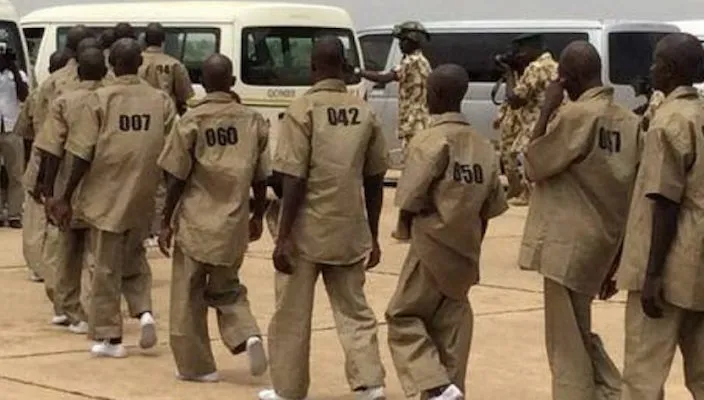
The barring of journalists from a high-profile coup trial in Abuja marks a troubling shift towards judicial secrecy in Nigeria. This decision, made by authorities, has raised alarms about the government's commitment to transparency and accountability in legal proceedings. The trial, which involves key military figures accused of orchestrating the coup, is being closely scrutinized amid heightened political tensions.
Critics argue that limiting media access undermines the public's right to information and sets a dangerous precedent for future judicial processes. "Transparency in the courtroom is essential for public trust in the justice system," said Amina Ibrahim, a media rights advocate. "This move raises serious concerns about what is being concealed from the public eye."
As Nigeria navigates its complex political landscape, the implications of a secretive trial extend beyond this single case. The decision could erode public confidence in the judiciary and fuel perceptions of government overreach. Moving forward, the need for a balance between national security and the right to information will be critical in ensuring that democracy remains robust and resilient.