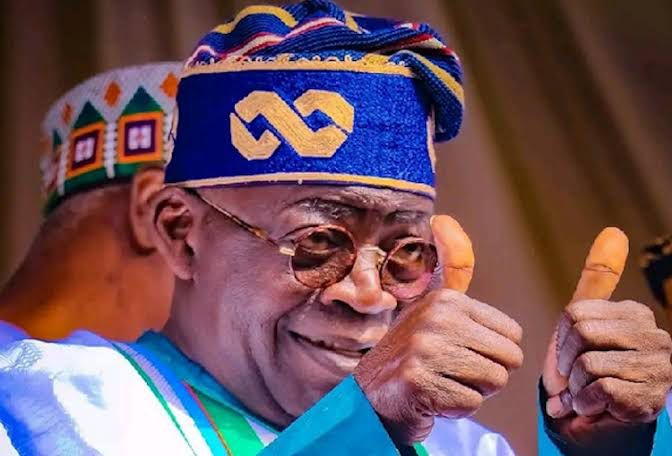
Former President Goodluck Jonathan's announcement of potential consultations regarding a 2027 presidential run has ignited significant discourse in Nigeria's political landscape. His previous tenure, marked by notable challenges and achievements, remains a topic of debate among citizens and political analysts alike. Since leaving office in 2015, Jonathan has maintained a low profile, but his recent statements suggest a renewed interest in the presidency.
Political observers note that Jonathan's return could reshape the electoral dynamics, particularly as the nation grapples with pressing issues like security and economic stability. “Jonathan's experience could either unify or further divide the electorate, depending on how he positions himself against emerging candidates,” says Dr. Amina Bello, a political analyst at the University of Lagos. This sentiment highlights the complexities of his potential candidacy in a rapidly evolving political environment.
As Nigeria gears up for the 2027 elections, Jonathan's consultations will be pivotal in determining not only his political future but also the broader implications for the country's governance and democratic integrity. The electorate awaits clarity on whether he can galvanize support in a landscape that increasingly demands fresh perspectives.