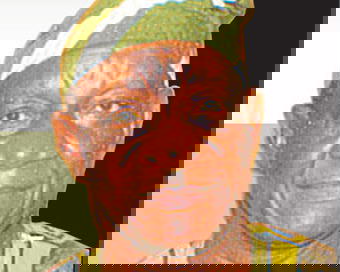
Former President Goodluck Jonathan's nomination as a presidential candidate by a faction of the Peoples Democratic Party (PDP) has reignited discussions about Nigeria's unpredictable political landscape. This move comes as the country grapples with economic challenges and a growing demand for effective leadership. Jonathan, who served from 2010 to 2015, remains a polarizing figure; his tenure was marked by both significant infrastructural advancements and widespread corruption allegations.
In a recent statement, Jonathan emphasized his commitment to "restoring hope and unity" in Nigeria, reflecting a desire to reconnect with disillusioned voters. The PDP, once a dominant force, has struggled to maintain relevance amidst internal divisions and the rise of the All Progressives Congress (APC). Jonathan's candidacy could be seen as a strategic attempt to leverage his past experience in a bid to reclaim power for the party.
As the 2026 elections approach, the implications of Jonathan's nomination will be crucial. Observers are keenly watching whether the former president can galvanize support and navigate the complexities of a changing political environment. His ability to articulate a vision for Nigeria will determine not just his fate, but potentially the future of the PDP as well.
