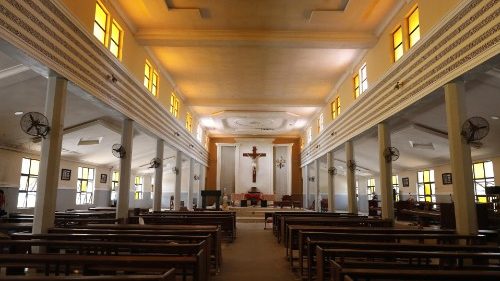
The recent attack on a Christian community in Adamawa State, claimed by the Islamic State West Africa Province (ISWAP), underscores the persistent insecurity plaguing Nigeria's northeastern region. ISWAP reported that its fighters killed several individuals and destroyed a church, along with seizing nearly 100 motorcycles, raising concerns about the group's increasing boldness and operational capabilities.
This incident follows a troubling trend of violence against religious minorities in the area, exacerbating fears among local populations. Military and police officials have yet to respond to the attack, leaving communities vulnerable and anxious. "The government must act decisively to protect innocent lives and restore faith in our security forces," said Dr. Aisha Bello, a prominent human rights advocate.
As the conflict continues to escalate, the lack of a robust governmental response could further embolden ISWAP and similar groups. With the region's social fabric already strained, the need for comprehensive strategies to counteract this wave of violence has never been more urgent. Without swift action, the cycle of attacks may deepen, posing significant challenges for both local communities and national stability.