A recent attack by the Islamic State West Africa Province (ISWAP) in Borno State has underscored the persistent insecurity plaguing northeastern Nigeria, resulting in the deaths of at least 30 loggers and fishermen. This incident, which also left dozens missing, reflects the alarming trend of violence against vulnerable communities engaged in subsistence livelihoods, making the region increasingly perilous.
ISWAP has intensified its operations in recent years, capitalizing on the vacuum left by weakened military responses and the ongoing humanitarian crisis. Local authorities have struggled to provide adequate protection, leaving communities exposed to militant threats. "We are devastated by this loss; our people deserve safety while they work to support their families," lamented Babagana Zulum, the Governor of Borno State.
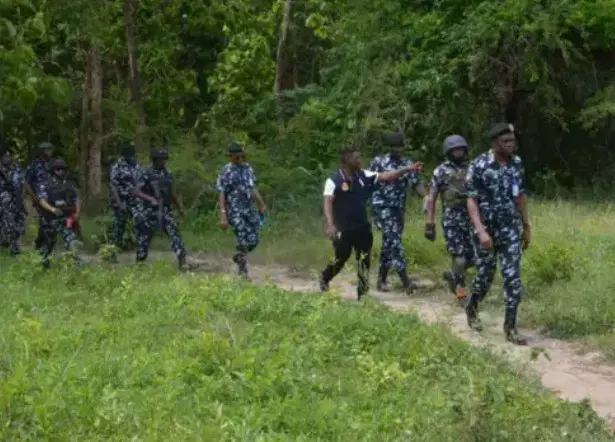
As the Nigerian military continues its counterinsurgency efforts, the government faces mounting pressure to devise effective strategies to safeguard civilians and restore stability. With the rainy season approaching, the urgency for humanitarian assistance and security reinforcements is critical. Without decisive action, the cycle of violence may deepen, further complicating recovery efforts in a region already grappling with profound challenges.