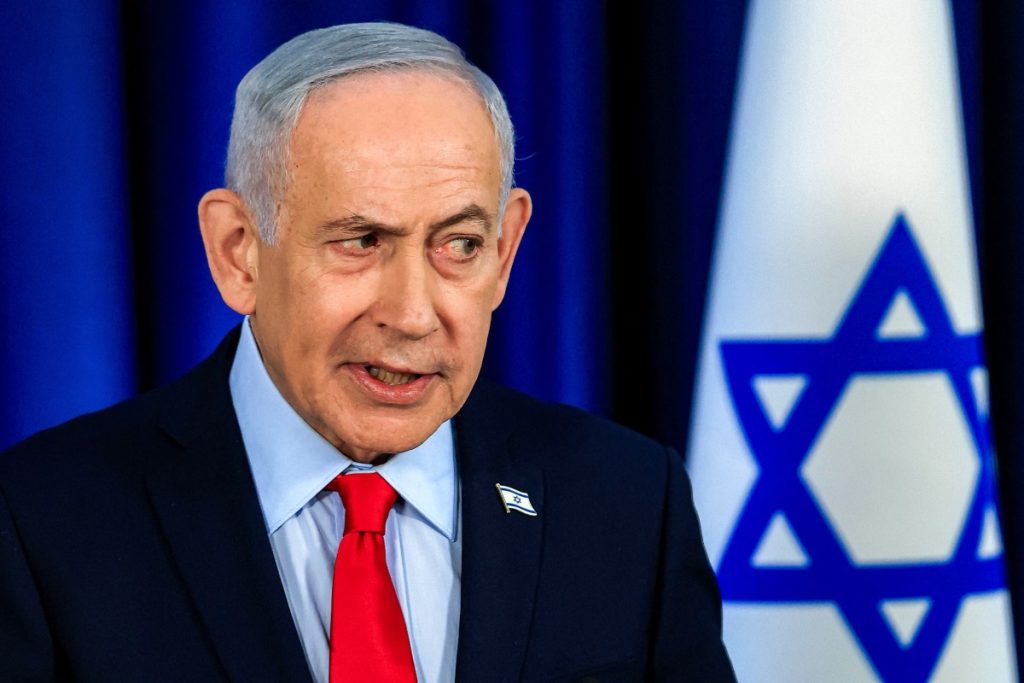
Israeli Prime Minister Benjamin Netanyahu's recent declaration that troops will remain in Lebanon "as long as necessary" underscores a significant escalation in the ongoing conflict with Hezbollah. This statement follows a series of violent confrontations that have intensified tensions along the Israel-Lebanon border, primarily fueled by Hezbollah's increasing aggression, allegedly backed by Iran.
Netanyahu emphasized the need for a robust military response, asserting that Hezbollah would "pay a heavy price" for its attacks. This rhetoric reflects Israel's longstanding strategy of deterrence, aiming to weaken Hezbollah's operational capabilities while reassuring its domestic audience of national security. The Israeli military's presence in Lebanon, a reminder of past conflicts, raises concerns about the potential for a broader regional confrontation, especially as Iran continues to assert its influence in the area.
Looking ahead, the situation remains precarious. The Israeli government must balance military objectives with the risk of escalating violence. As both sides prepare for a protracted engagement, regional stakeholders will closely monitor developments, weighing the implications for stability in the Middle East.

